
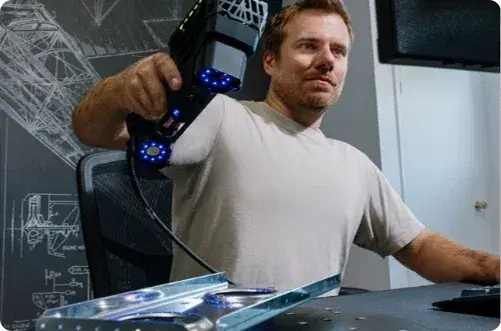
HandySCAN EVO 3D Scanning Solutions for Dallas Engineering Teams
Modern engineering teams need measurement technology that can keep pace with demanding inspection, design, and manufacturing workflows. The HandySCAN EVO series gives professionals a flexible way to capture accurate 3D data directly where work happens. For companies that need reliable scanning without being tied to a fixed measurement room, Dynamic 3D provides access to advanced Creaform technology, expert product guidance, and support for real-world applications.
Built for Accuracy, Portability, and Productivity
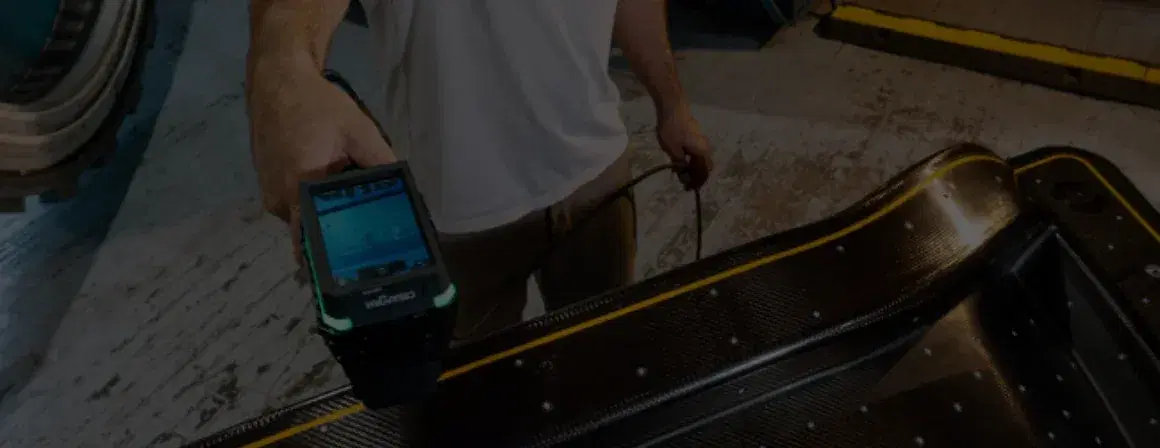
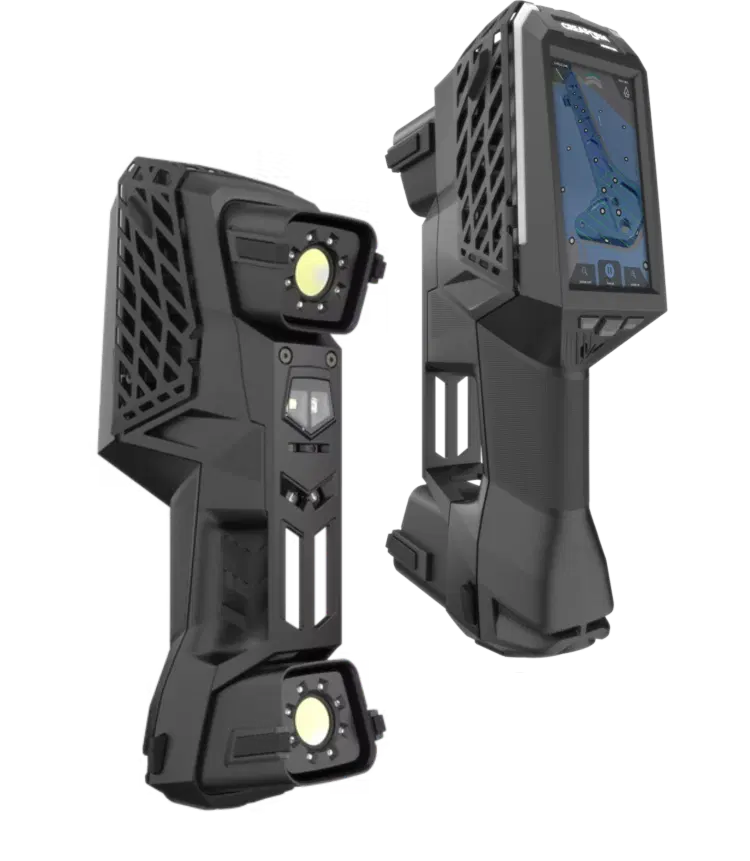
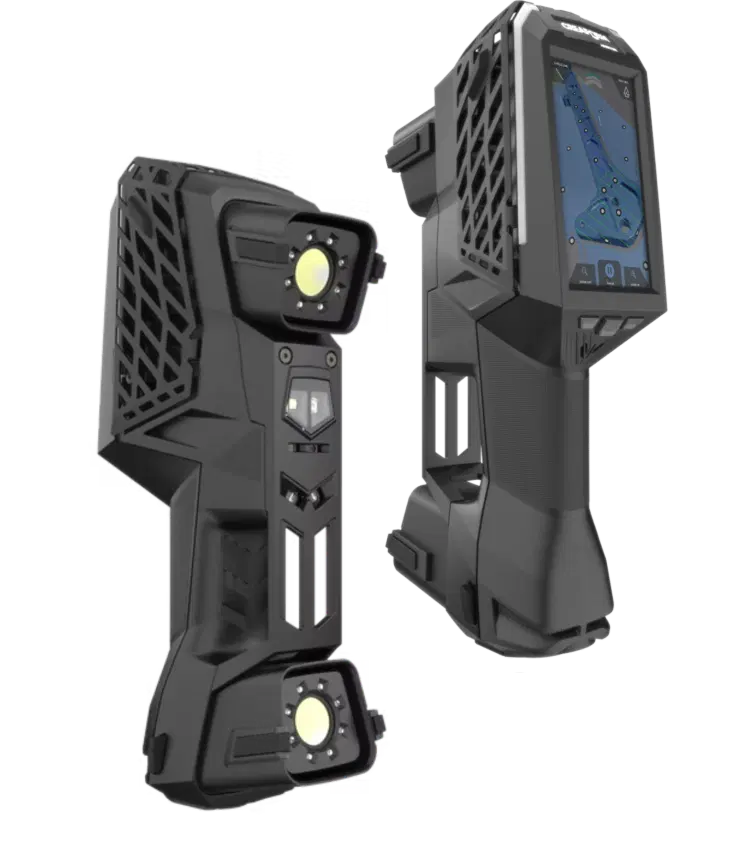
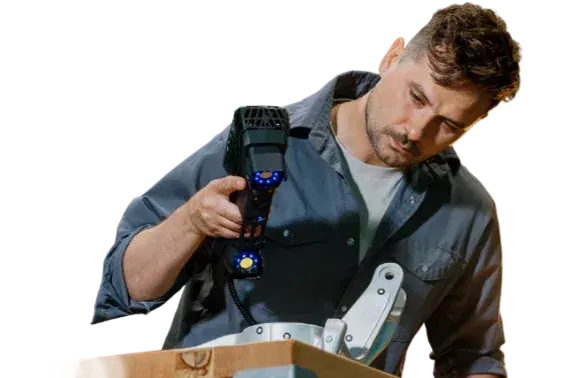
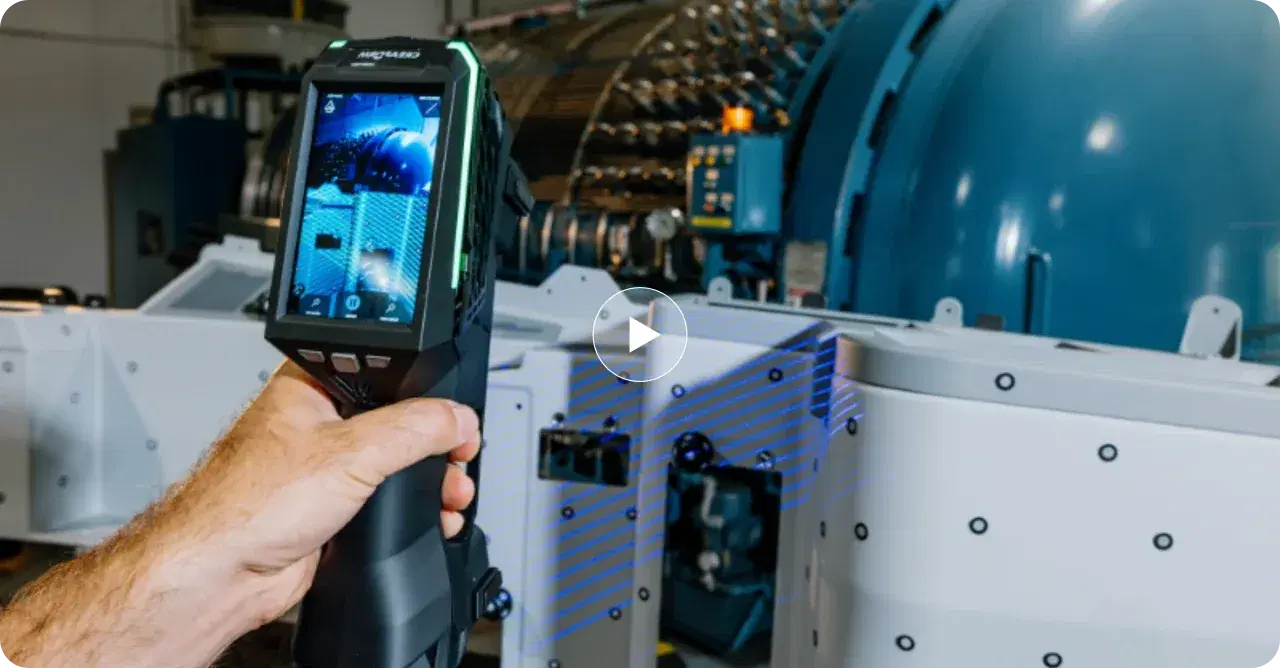
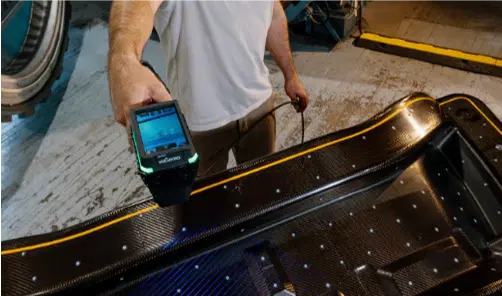
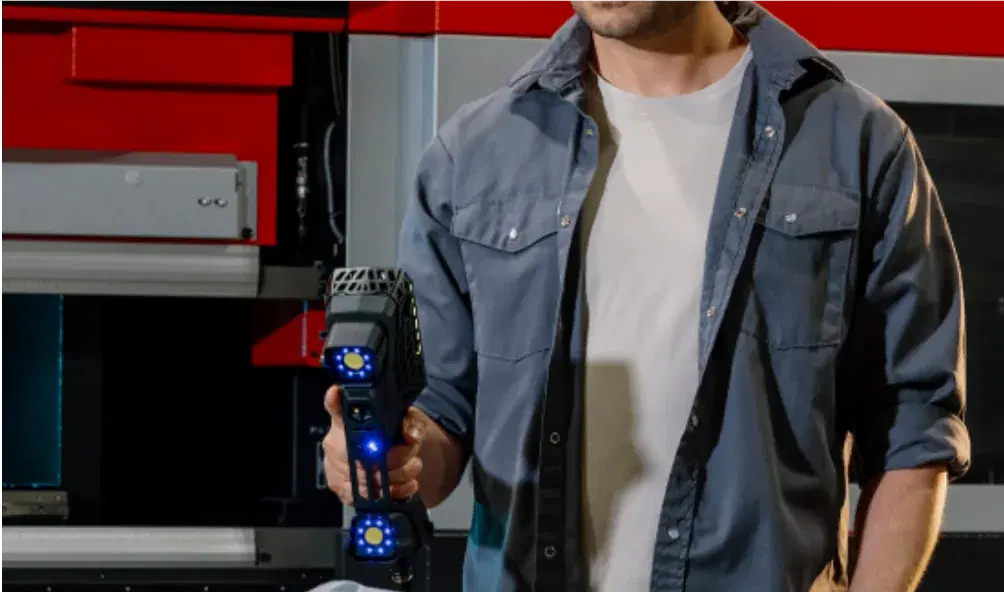
The Creaform HandySCAN 3D platform combines portability with dependable measurement performance, helping engineers capture complex surfaces, components, and assemblies efficiently. Its handheld design makes it easier to move between parts, workstations, production areas, and project locations. Teams can collect detailed geometry for inspection, reverse engineering, product development, and validation without relying solely on traditional contact measurement methods.
For organizations searching for a HandySCAN 3D scanner Dallas solution, Dynamic 3D helps identify the right scanner configuration based on part size, accuracy requirements, workflow demands, and application goals. This makes it easier to invest in technology that supports actual engineering needs instead of choosing equipment based on specifications alone.
Streamline Inspection and Reverse Engineering
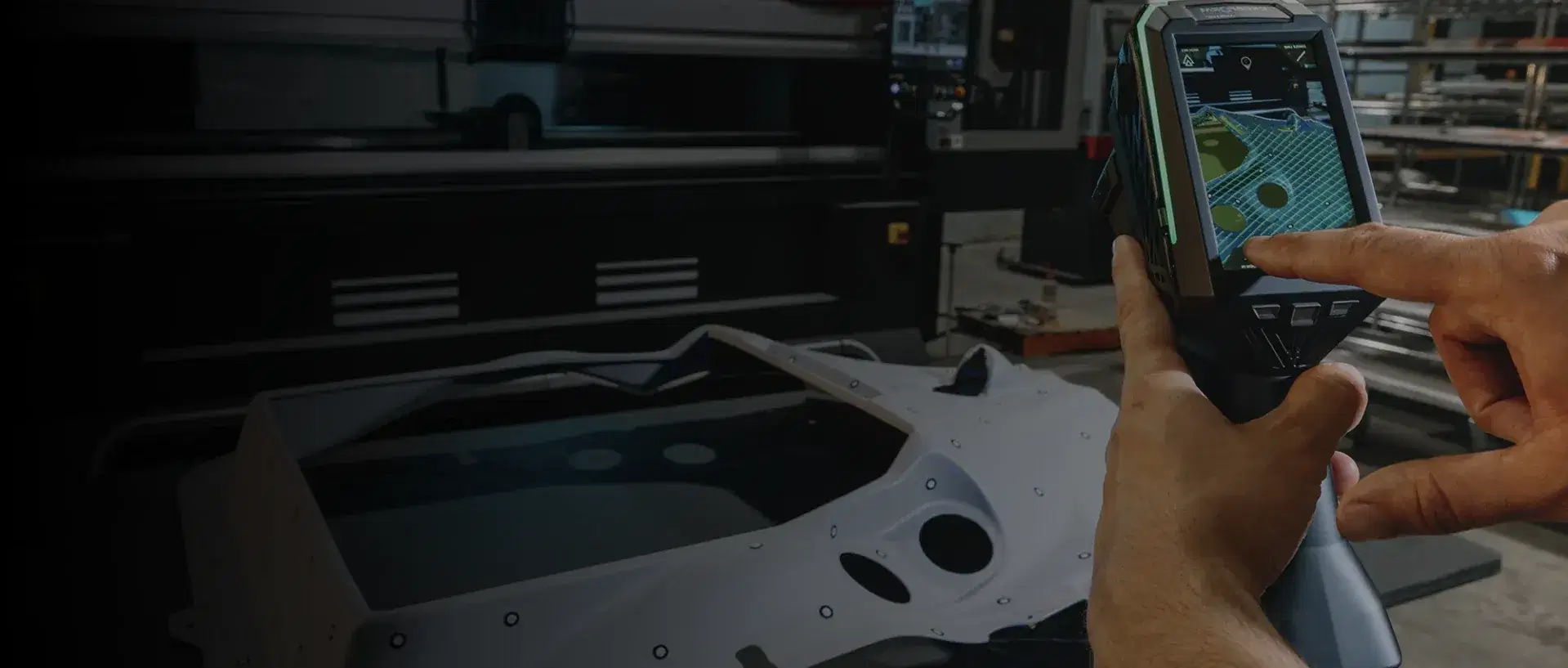
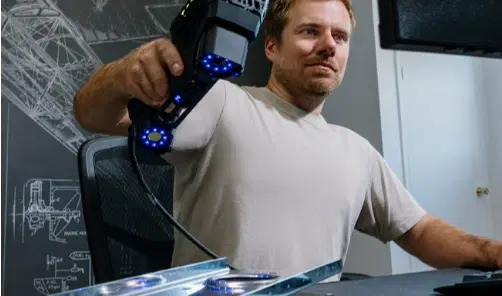
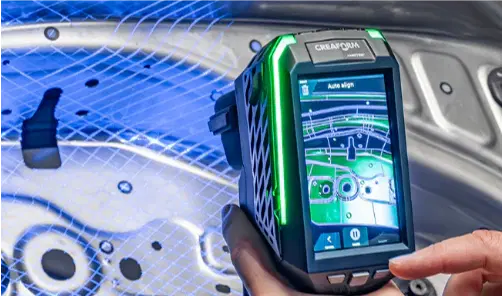
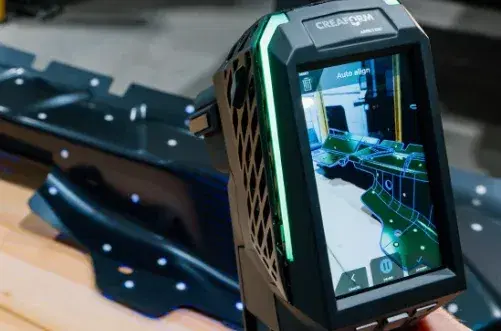
A Creaform HandySCAN 3D scanner can support workflows where speed and reliable dimensional data are essential. Engineers can digitize physical components, compare manufactured parts with CAD models, document existing geometry, and generate scan data for downstream design processes. This flexibility can reduce measurement bottlenecks while giving teams useful digital information for faster technical decisions.
Handheld scanning is also valuable when components cannot easily be transported to a dedicated measurement area. Businesses looking for handheld 3D scanners Dallas professionals can use across production environments can benefit from portable systems that bring measurement capabilities closer to the part.
Choose the Right HandySCAN EVO Solution
Different applications demand different levels of scanning performance. A product development team may prioritize fast geometry capture, while a quality department may focus on repeatability and dimensional validation. Reverse engineering teams may need detailed surface data that can move efficiently into CAD workflows.
Dynamic 3D helps customers evaluate these requirements and select a HandySCAN EVO solution aligned with their processes. Beyond choosing hardware, successful 3D scanning depends on understanding how the scanner fits into existing software, inspection, and engineering workflows.
Upgrade Your 3D Measurement Workflow
Whether you are improving quality control, accelerating reverse engineering, validating manufactured components, or modernizing product development, professional handheld scanning can make measurement more flexible and efficient.
Dynamic 3D provides Creaform scanning solutions backed by application-focused guidance for engineering and manufacturing teams. Explore the HandySCAN EVO series with Dynamic 3D and find a scanner built around your measurement challenges, production environment, and long-term engineering goals. Contact the Dynamic 3D team to discuss your application, compare available scanning options, and move toward a faster, more capable 3D measurement workflow.