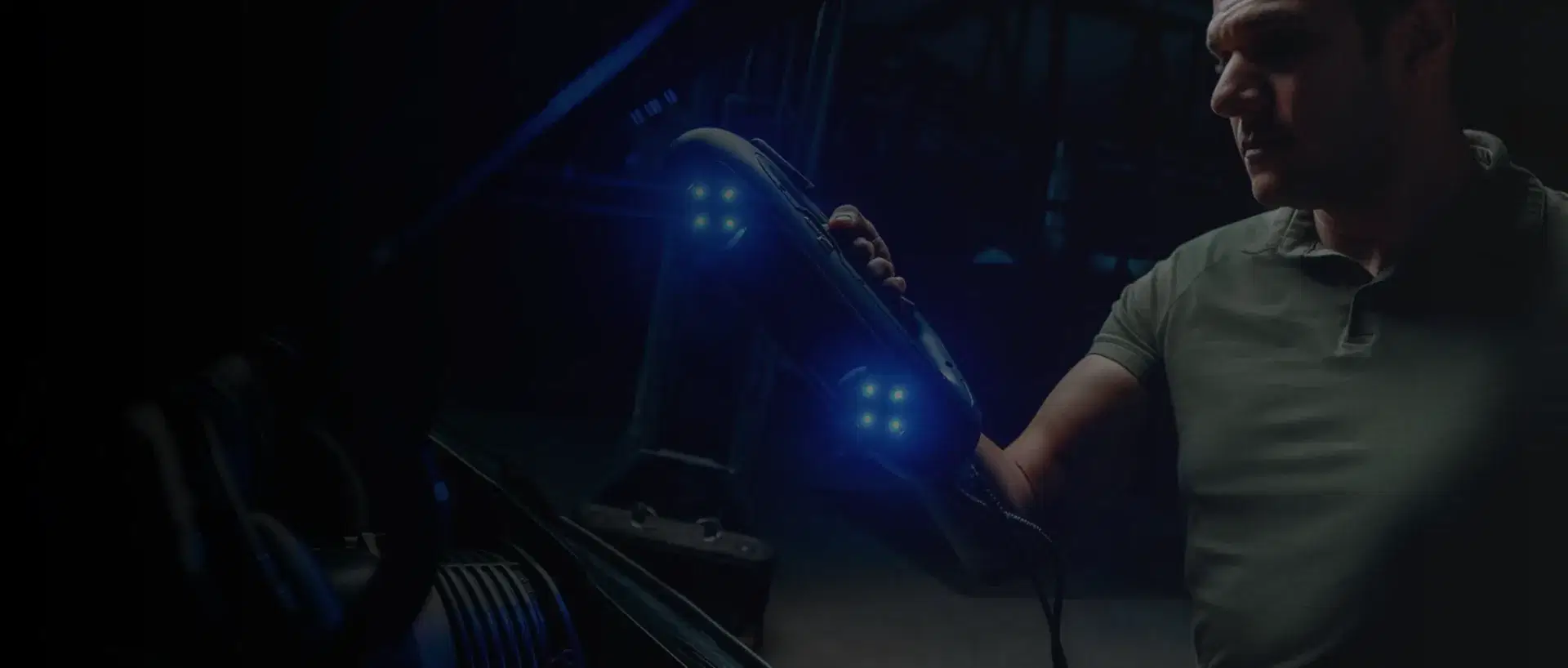
The HandySCAN 3D | PRO Series delivers high accuracy, portability, and performance for engineering-driven workflows. Designed for product development, reverse engineering, and validation tasks, these scanners enable precise measurements directly on-site without compromising speed or reliability.
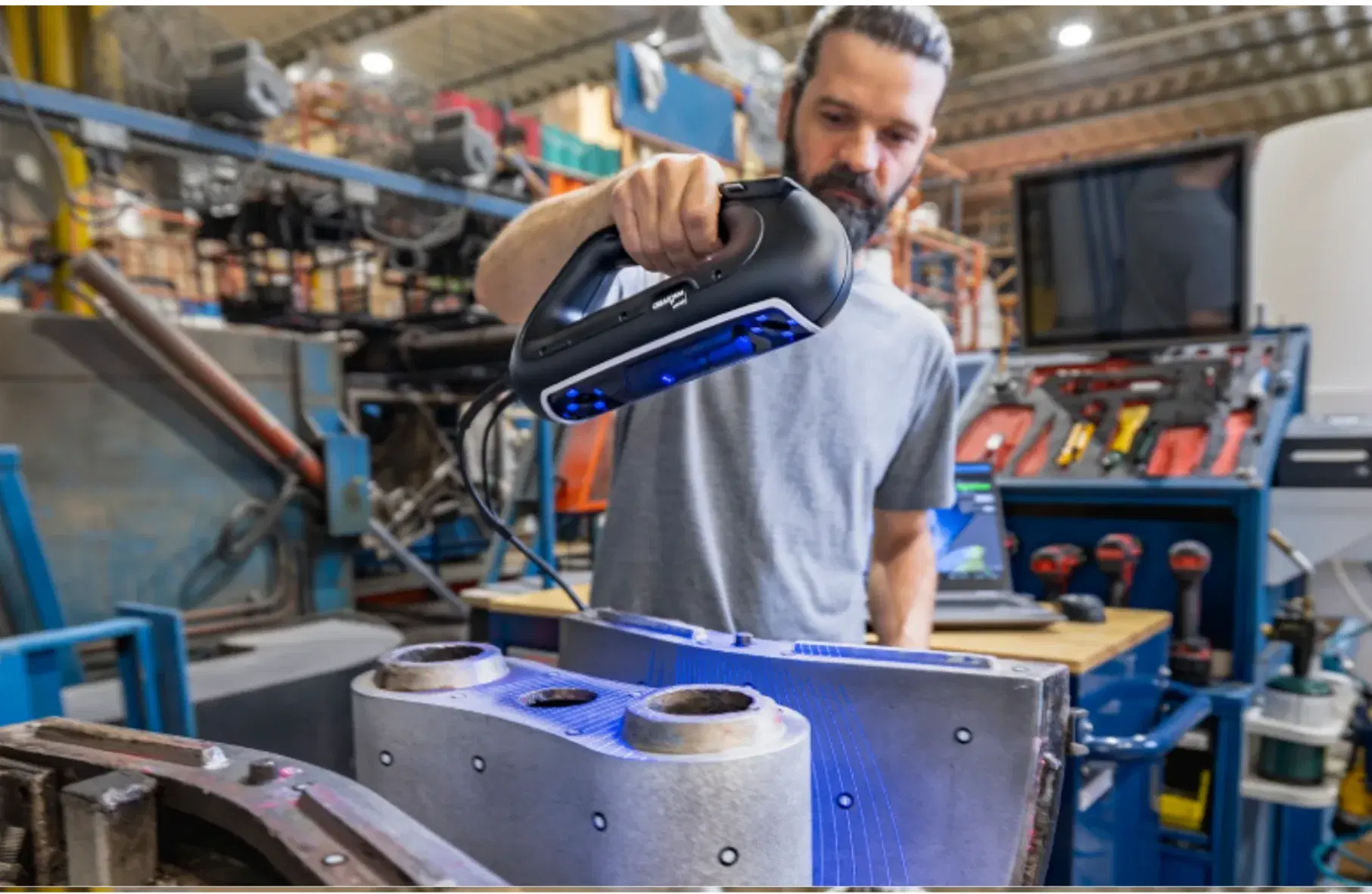
The HandySCAN 3D PRO Series is developed for professionals who require flexible and precise 3D measurement tools for engineering and design applications. Engineered for workshop and field environments, it delivers consistent and repeatable results across a wide range of components.
Optimized for reverse engineering and product development, the PRO Series captures detailed geometries, refines CAD models, and streamlines Scan-to-CAD workflows with confidence and efficiency.

See how the HandySCAN 3D | PRO Series performs in real-world reverse engineering and product development workflows.

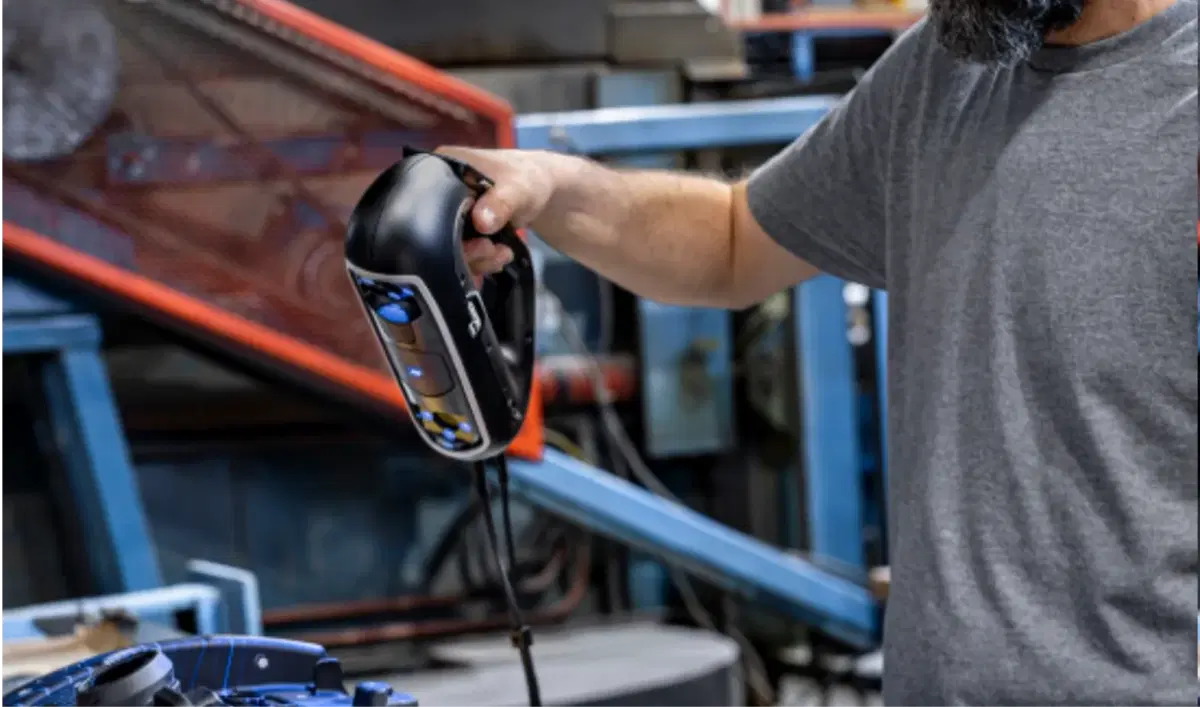
Deliver precise and repeatable measurements for engineering validation and design refinement.
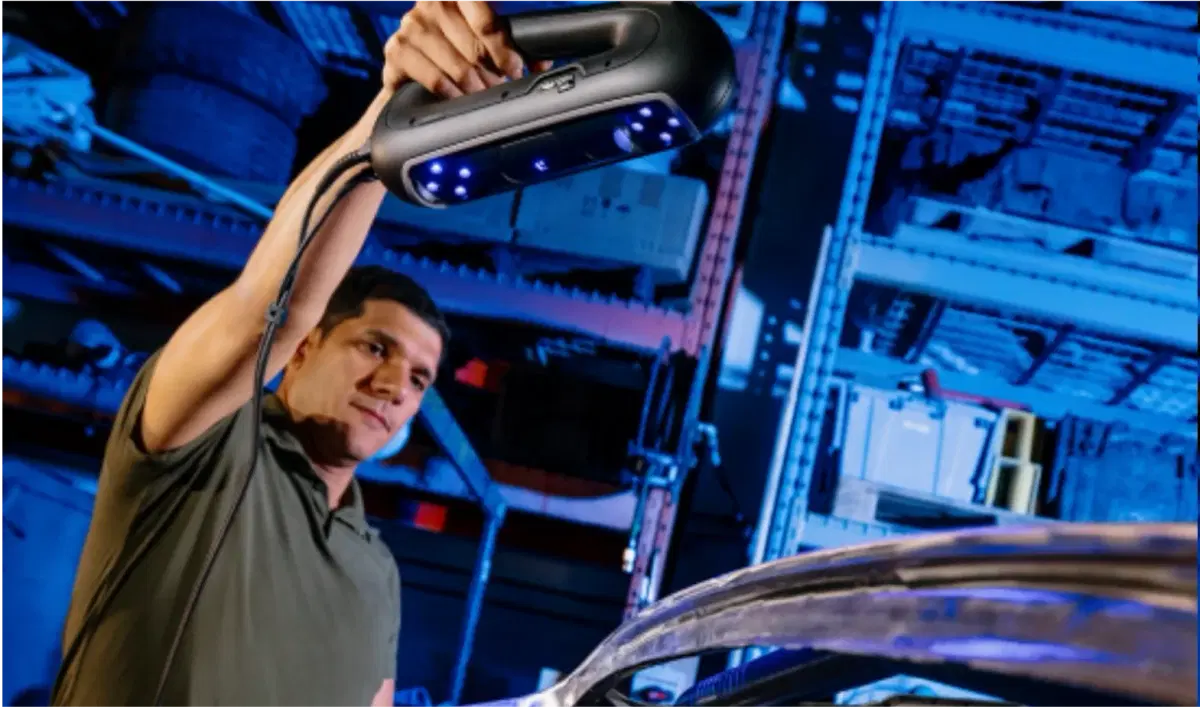
A 3D scanner for product development supports reverse engineering, design refinement, and prototype validation.
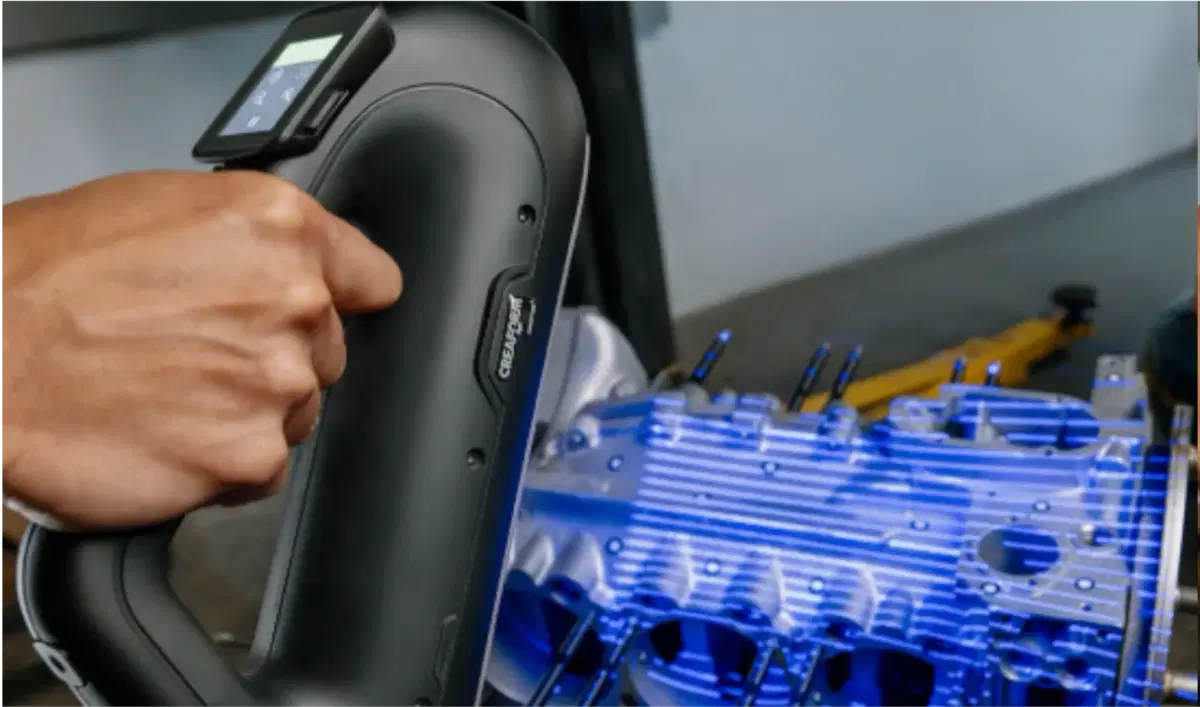
Capture detailed geometries directly on-site without requiring fixed setups.
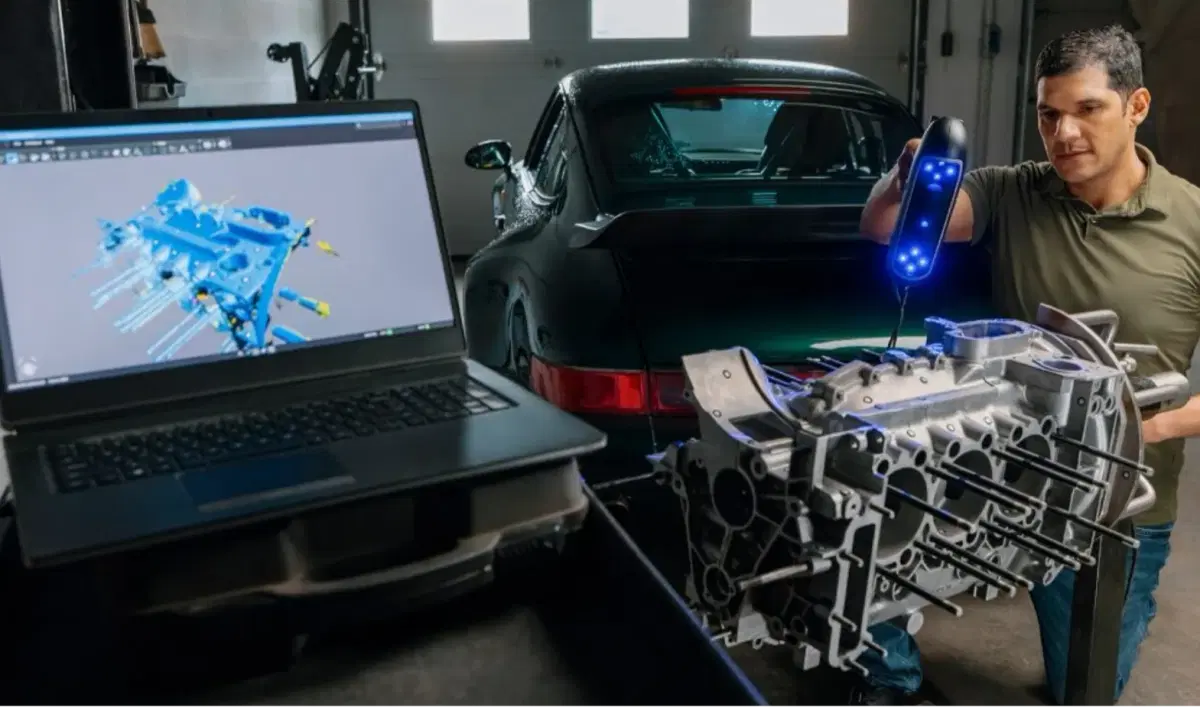
A scan to CAD 3D scanner accelerates data acquisition and CAD conversion for faster design iterations.
Portable 3D scanners support a wide range of industrial and engineering workflows across multiple industries.
Product development refers to all of the stages involved in bringing a product to market—from inception through conception and engineering design to product development. Computer-aided design (CAD) software is used as a design tool to enhance product development.
As project managers, senior engineers, or engineering directors, you are responsible for finding ideas that lead to new product introduction. Innovation is the essential element that maintains your company’s competitive edge through the development of new technologies, new projects, new angles, and new niches that help you surpass your competitors.
As design engineers or industrial designers, you participate in all of the activities related to product development and implementation. You must first determine if the design intent is feasible and if all of the necessary tools and software to realize the whole project are accessible and available. Then, you design parts (often with complex shapes and geometries) and create 3D models while minimizing iterations in order to shorten the design cycle.

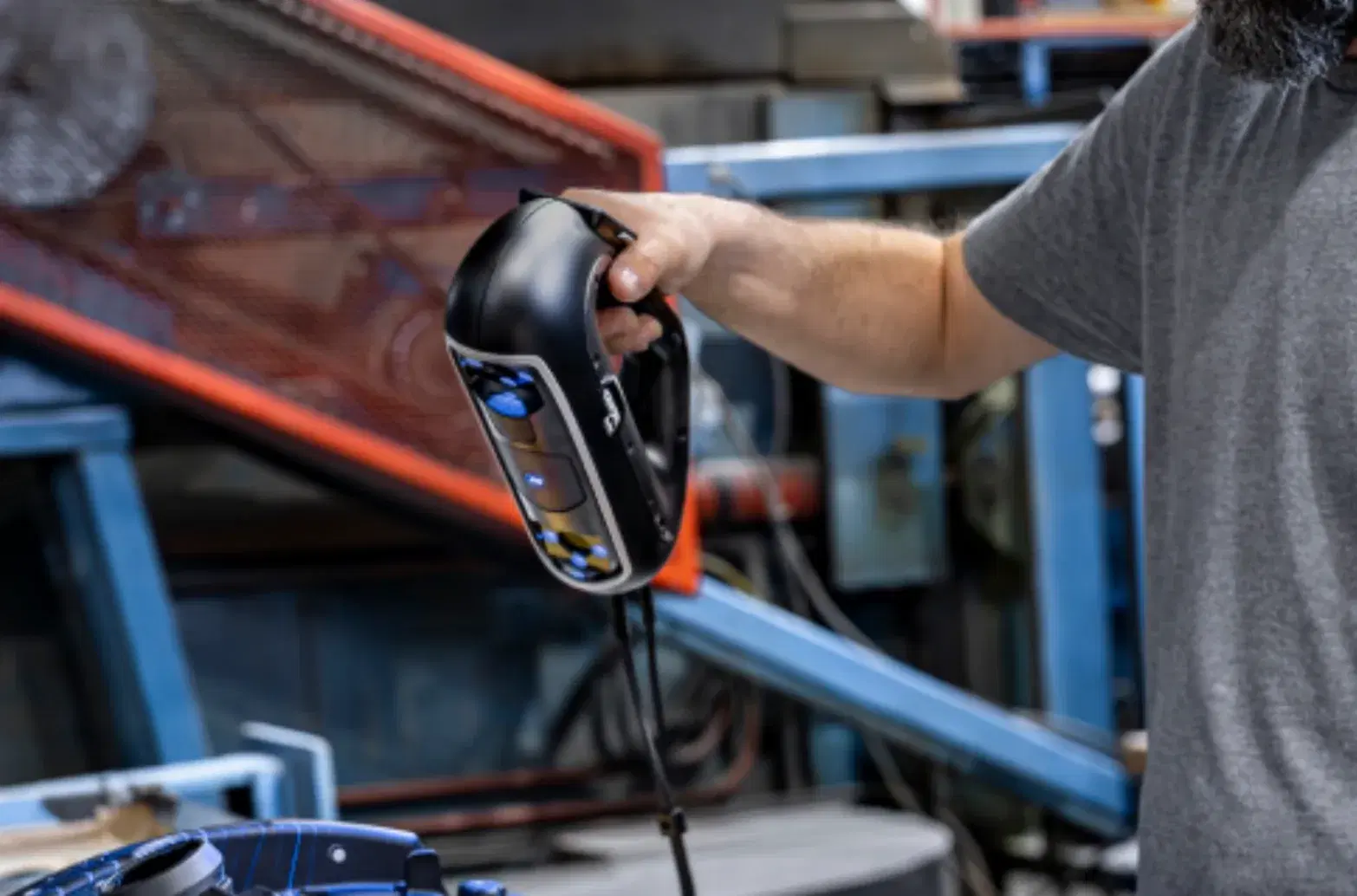
The following FAQs provide further insight into HandySCAN 3D PRO Series and their applications in Dallas.
3D scanning captures the geometry of an existing physical part and converts it into accurate digital data that can be used to recreate, modify, or improve CAD models.
A 3D scanner captures the physical geometry of a component, which can then be processed through Scan-to-CAD software to create editable CAD geometry for engineering and design workflows.
3D scanning helps engineers capture existing components, evaluate prototypes, refine designs, compare iterations, and create digital models throughout the product development process.
Handheld 3D scanners can measure components ranging from smaller mechanical parts and prototypes to complex assemblies, depending on the scanner's measurement range, accuracy, and application.
Portable 3D scanning can capture complex surfaces and detailed geometries directly in workshops or field environments, making it useful when traditional measurement methods are slow or difficult to apply.
Access detailed technical documentation and product information for the HandySCAN 3D | PRO Series.


