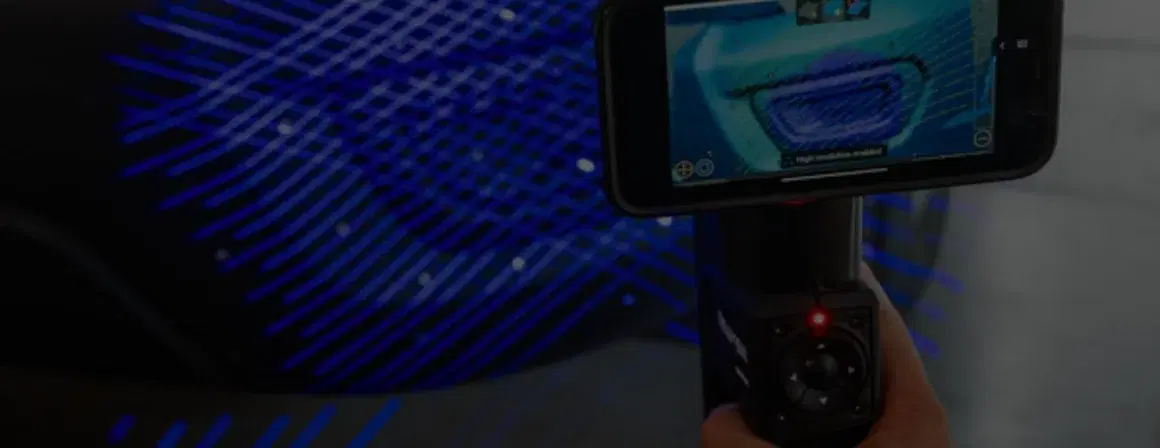
Home/Portable 3D Scanners/HandySCAN 3D | MAX Series

Metrology-grade handheld 3D scanners built for large-scale precision and performance.

The HandySCAN 3D | MAX Series delivers exceptional accuracy, portability, and reliability for oversized and complex parts. Designed for demanding industrial environments, these scanners enable precise measurements directly on the shop floor without compromising performance or confidence.
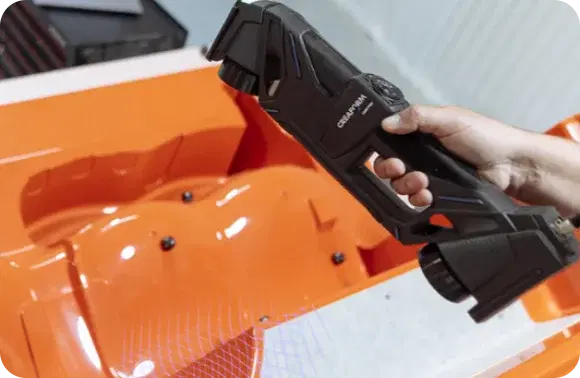
HandySCAN 3D Black Series in use

About the Handy SCAN | MAX Series

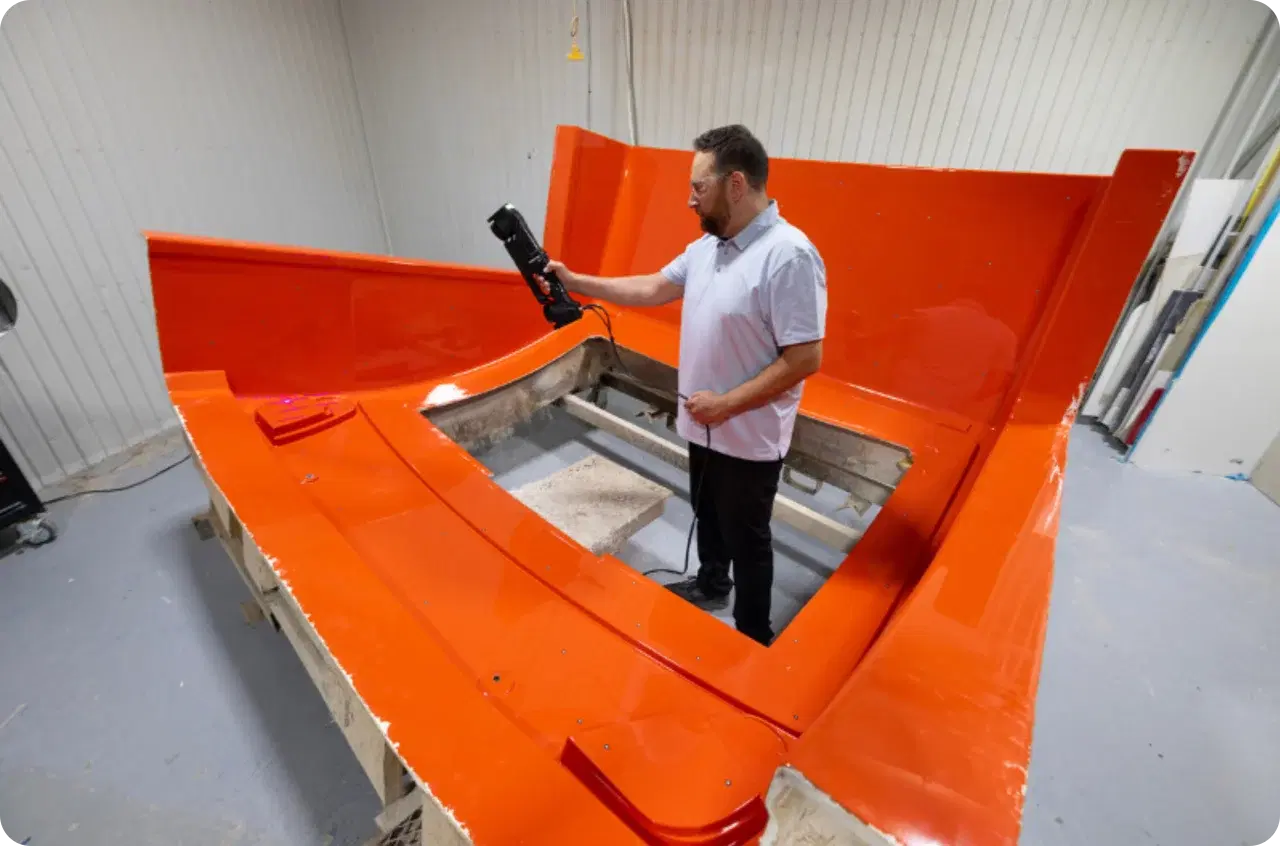
The HandySCAN 3D | MAX Series is engineered for measuring large components where accuracy and repeatability are essential. Built to perform in real-world production environments, this series combines advanced laser technology with an extended measurement volume to capture large parts without repositioning.

Optimized for heavy industry, manufacturing validation, and large-structure inspection, the MAX Series enables professionals to confidently measure oversized geometries and complex assemblies with speed and precision.
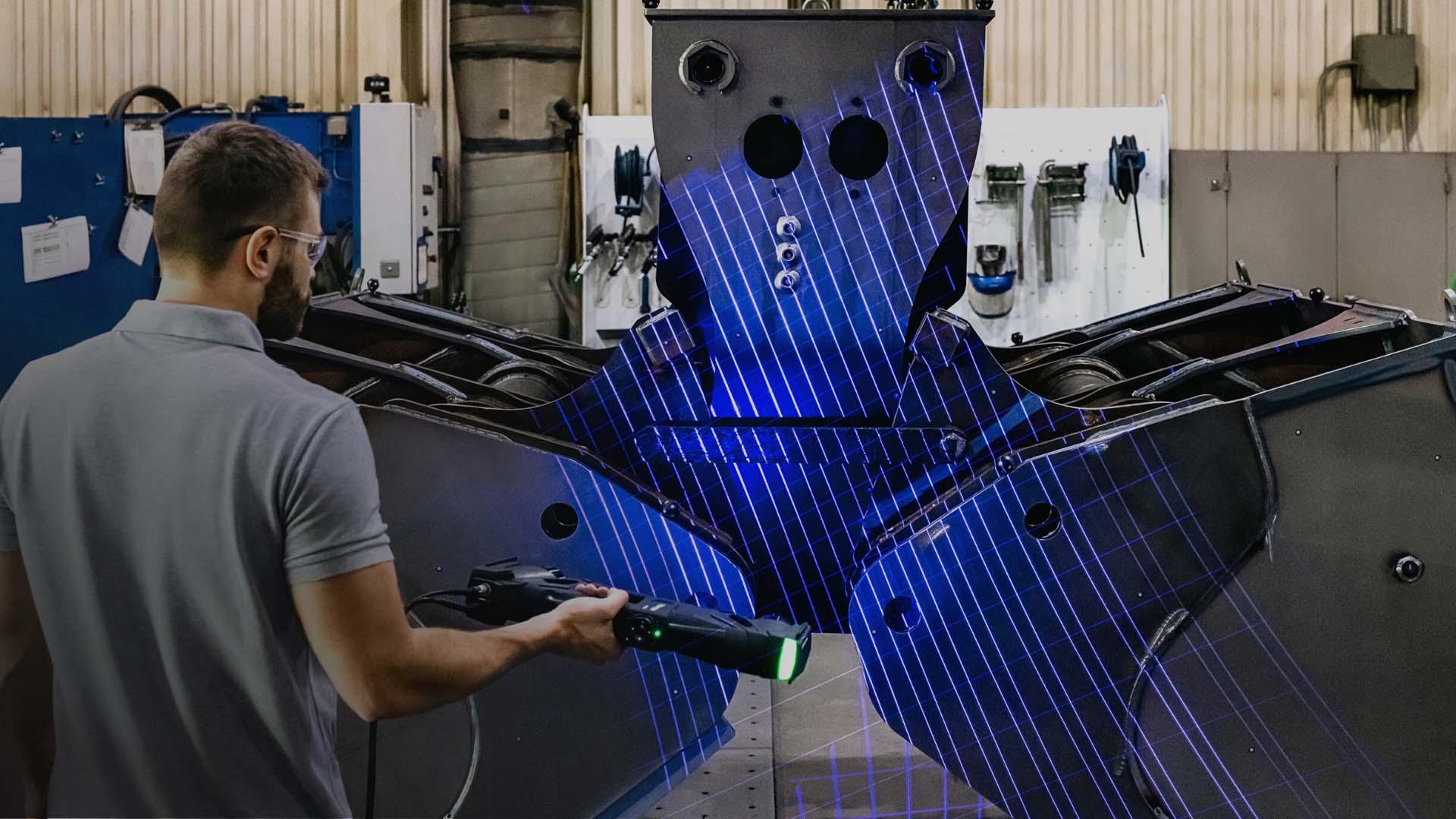
Series Video Overview

MAX Series in Action

MAX Series in Action

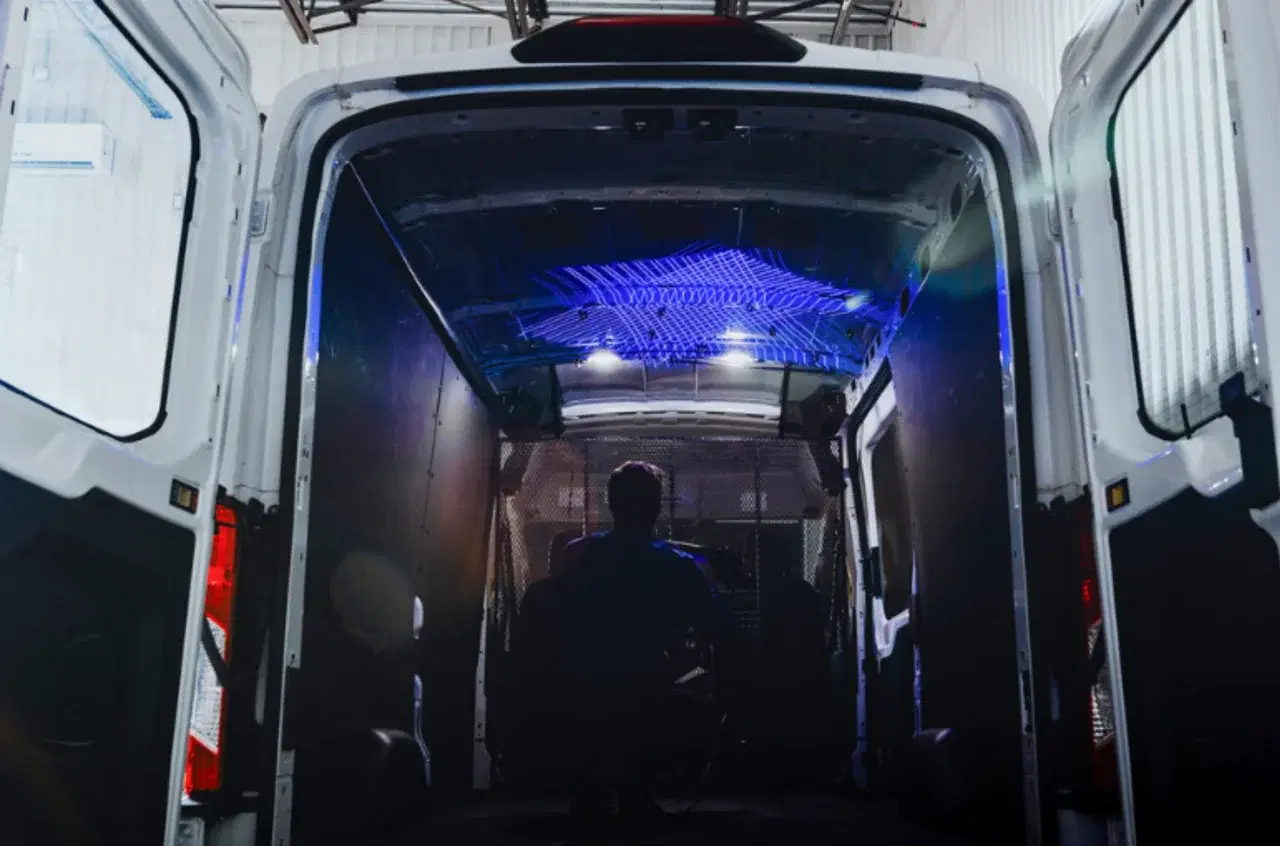
See how the HandySCAN 3D | MAX Series performs in real-world inspection and large-part measurement workflows.

Product Carousel Background

Why Choose the MAX Series

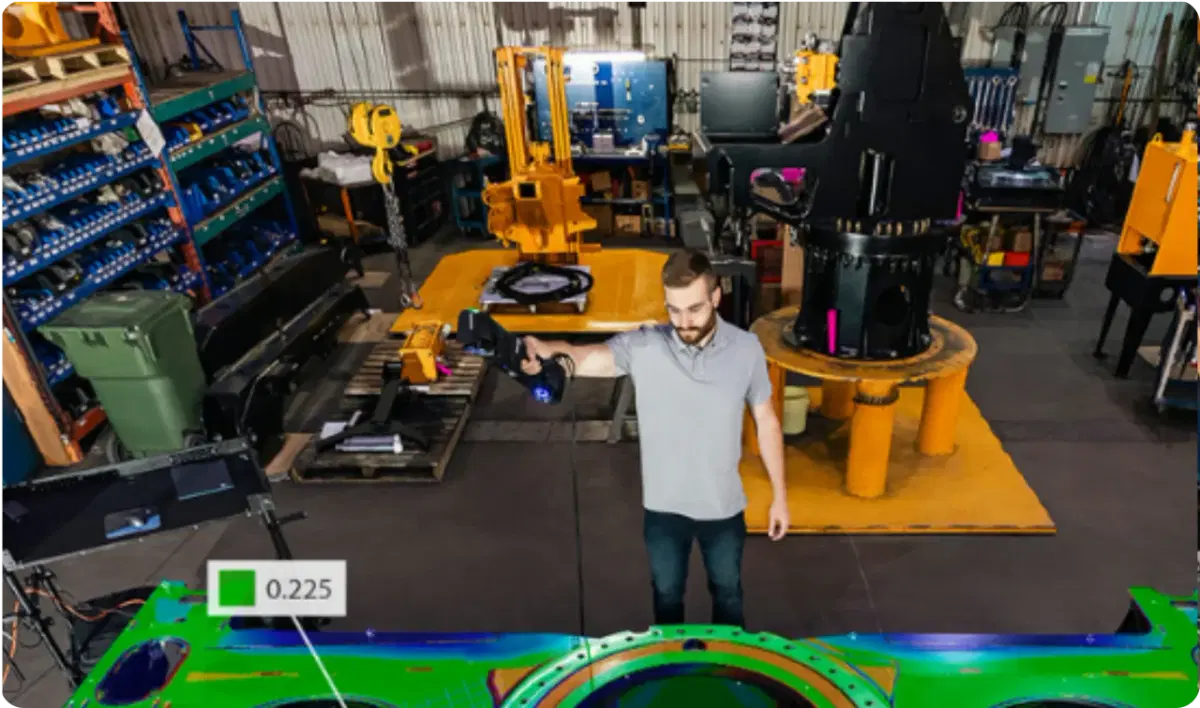
Large-Volume Precision

Large-Volume Precision

Designed for accurate measurement of oversized parts and assemblies in industrial environments.
Reliable in Demanding Environments

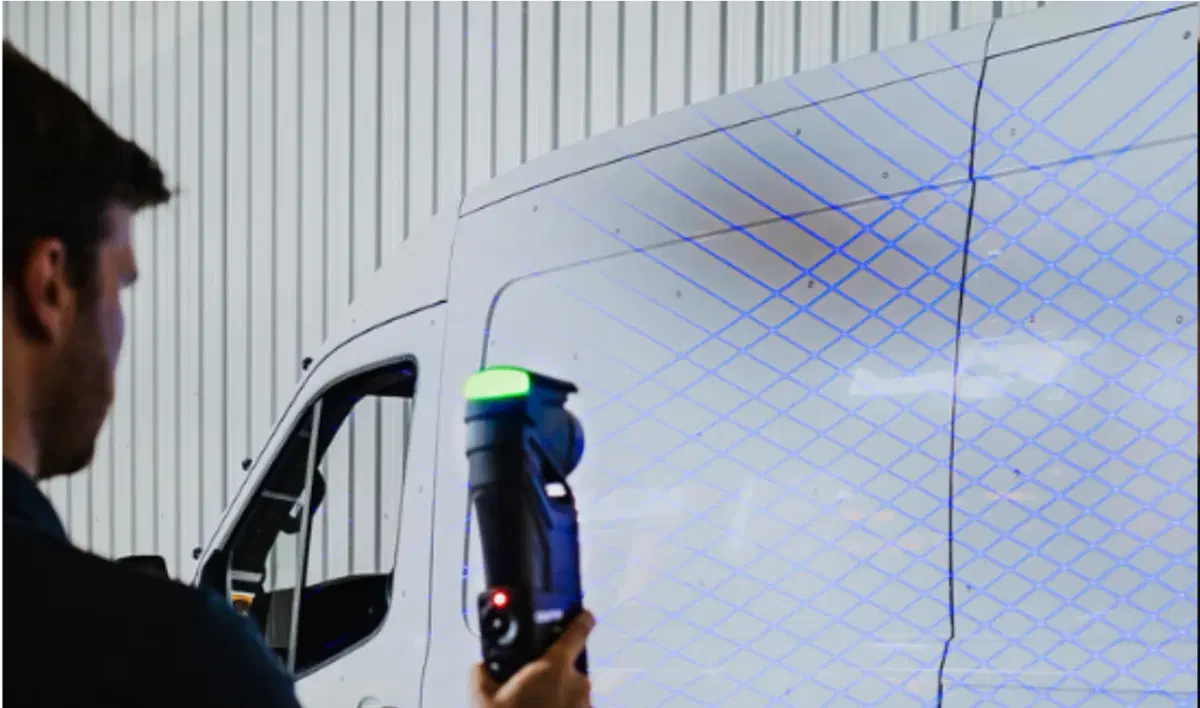
Reliable in Demanding Environments

Engineered to deliver consistent performance on the shop floor, even around vibrations and unstable conditions.
Extended Measurement Range

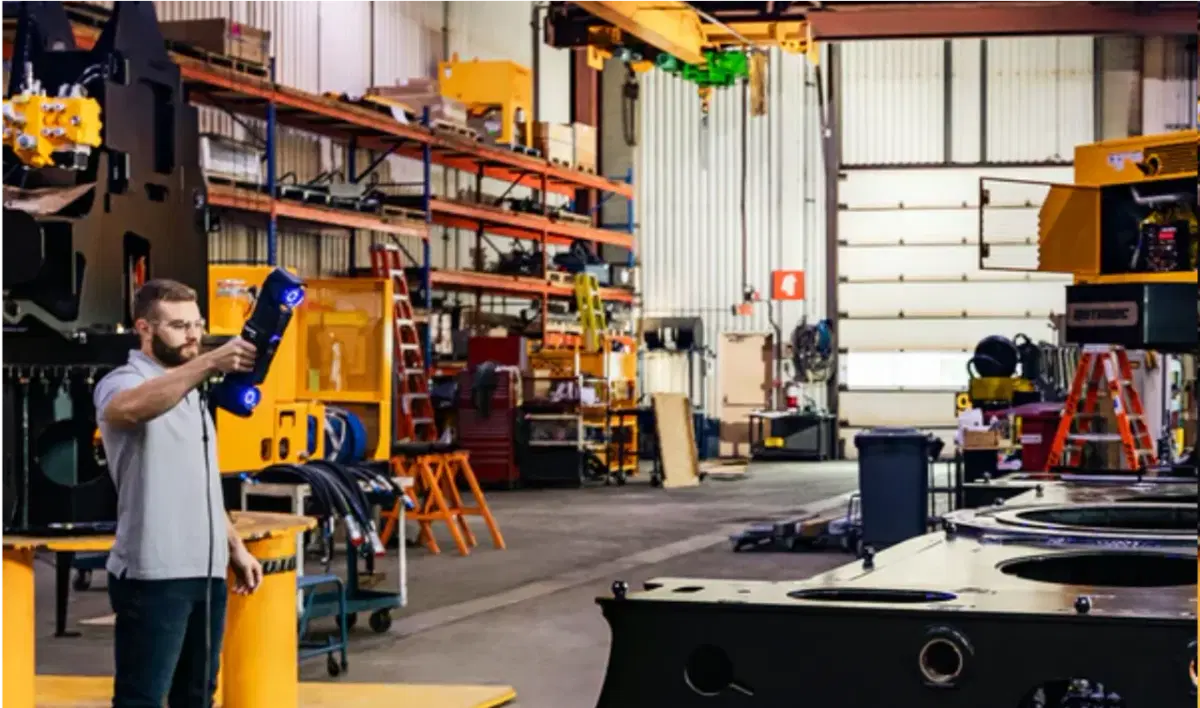
Extended Measurement Range

Capture large components efficiently without multiple setups or complex repositioning.
Efficient Inspection Workflows

Efficient Inspection Workflows

Reduce inspection time for large-scale projects with fast data acquisition and streamlined processing.

Applications & Use Cases

Portable 3D scanners support a wide range of industrial and engineering workflows across multiple industries.
Non-Destructive Testing (NDT)

Non-Destructive Testing (NDT)

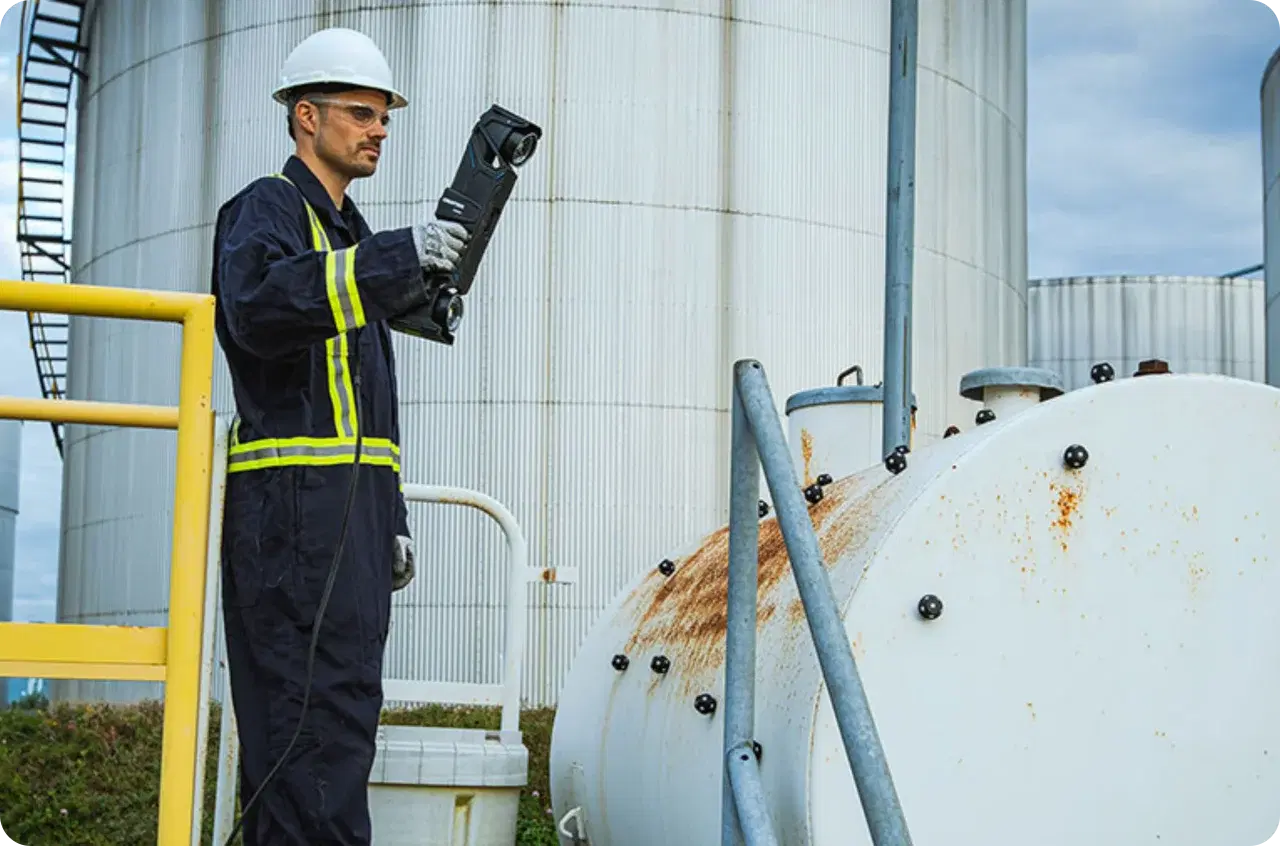
Pipeline 3D Scanning Solutions for Non-Destructive Testing (NDT) in Oil & Gas

Non-destructive testing (NDT) is an inspection and analysis technique used by the oil and gas industry, among others, to evaluate the properties of pipelines without destroying the serviceability of the original system. Surface corrosion, mechanical damages, and cracks are the most common discontinuities detected by visual examinations.

As NDT managers or project engineers working for a service company, you supervise the team of technicians in charge of collecting data during the pipeline inspections. You must verify and analyze the results to provide the pipeline owner with the right diagnosis. For you, inaccurate and unreliable measurements could lead to faulty analysis that can have important consequences.

As integrity managers or engineers working for a pipeline owner, you are responsible for evaluating and maintaining the integrity of aging pipeline networks. The decision to repair a section of the pipeline or to challenge the diagnosis provided by the service company is under your authority. Thus, to ensure the pipeline’s integrity and reliability, you must make the right decision, based on information that you trust.
Quality Assurance & Quality Control

Quality Assurance & Quality Control

3D Scanning Solutions for Quality Control & Quality Assurance (QA/QC)

Quality assurance (QA), on the other hand, consists of a set of procedures that prevent mistakes and defects in the different steps of the manufacturing process in order to avoid non- compliance when delivering parts to customers. Dimensional quality control (QC) is a process that measures the dimensions of manufactured parts to ensure that they adhere to a defined set of quality criteria and match customers’ requirements.

As QA engineers, you are in charge of investigating the problems raised by QC and production, performing the root cause analysis (often under pressure), and implementing corrective actions quickly to limit downtime. Through this process, you will also look for ways to improve the manufacturing process while minimizing production costs and lead time.

As QC managers, you have the delicate task of ensuring—even improving—the quality of the manufactured parts by applying effective controls performed with reliable, fast, and easy-to- use measuring equipment. You are also responsible for testing and validating the true performance of these instruments. Therefore, equipment unavailability, inefficiency, and limitations are obstacles to your work performance.

Reverse Engineering

Reverse Engineering

3D Scanning and Scan-to-CAD Solutions for Reverse Engineering

Reverse engineering is a process that involves measuring a physical object and reconstructing it as a 3D model to recover the design intent—a perfect reconstruction of the original design—in terms of simple analytical surfaces (planes, cylinders, etc.) and freeform surfaces (NURBS) in order to produce a new reference CAD model.

As CAD engineers and industrial designers, you have the critical task of adapting and maintaining parts with shapes that are frequently organic and complex. Since the CAD models are often no longer available or difficult to find, you have to reconstruct the 3D models and integrate them into the design.

The reasons for reverse engineering are multiple: to replace damaged components (for which CAD models are nonexistent), to update obsolete parts, to fit new parts into a current assembly or environment, to generate new manufacturing plans, or simply to analyze competitors’ product features. 3D scanners are generally the preferred technology for extracting dimensional information and representing it as a point cloud or an automatic and instant mesh.

3D Scanning Background

Downloads & Resources

Access detailed technical documentation and product information for the HandySCAN 3D | MAX Series.
Available Models in This Series

handyscanMaxSeries

CREAFORM

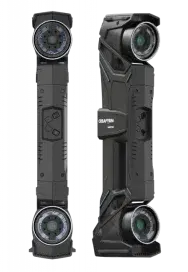
HandySCAN 3D MAX

handyscanMaxSeries

CREAFORM

HandySCAN 3D MAX Elite