


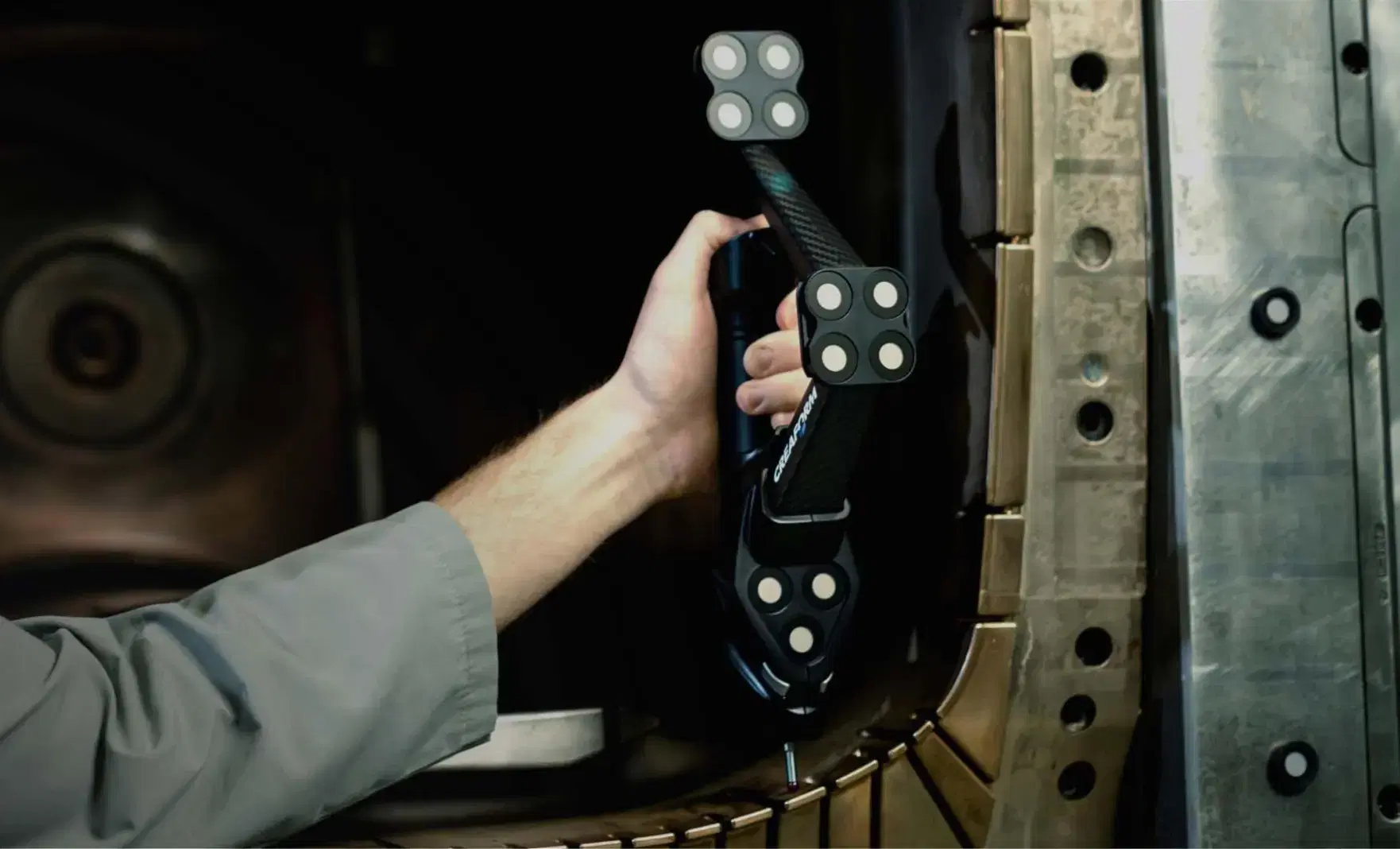
HandyPROBE Portable CMM
Wireless portable probing system designed for accurate dimensional inspection and flexible measurement workflows in industrial environments.
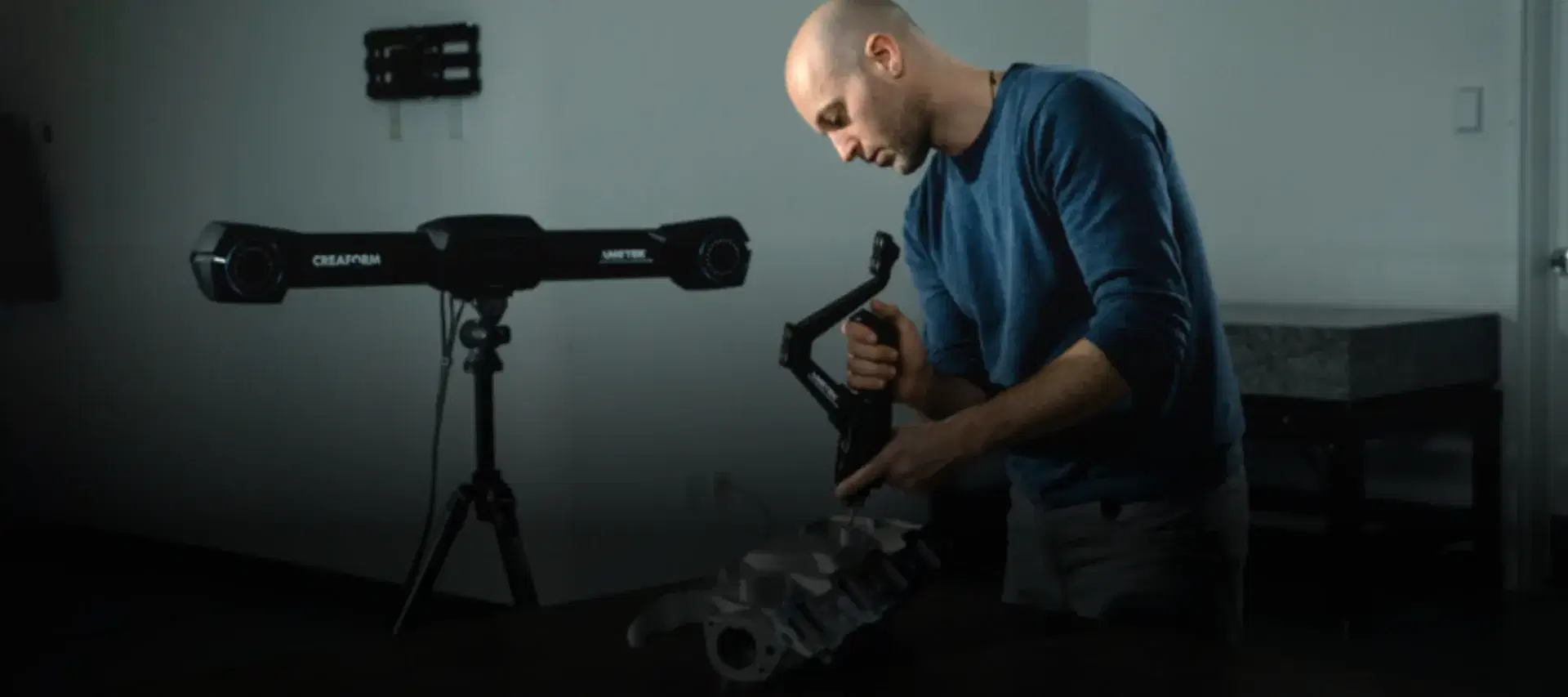
Portable coordinate measuring machine (CMM) solutions deliver metrology-grade measurement accuracy with the flexibility to inspect parts directly on the shop floor. Designed for dimensional inspection, alignment, and validation workflows, these systems enable precise measurements across complex and large-scale industrial components.
Wireless portable probing system designed for accurate dimensional inspection and flexible measurement workflows in industrial environments.

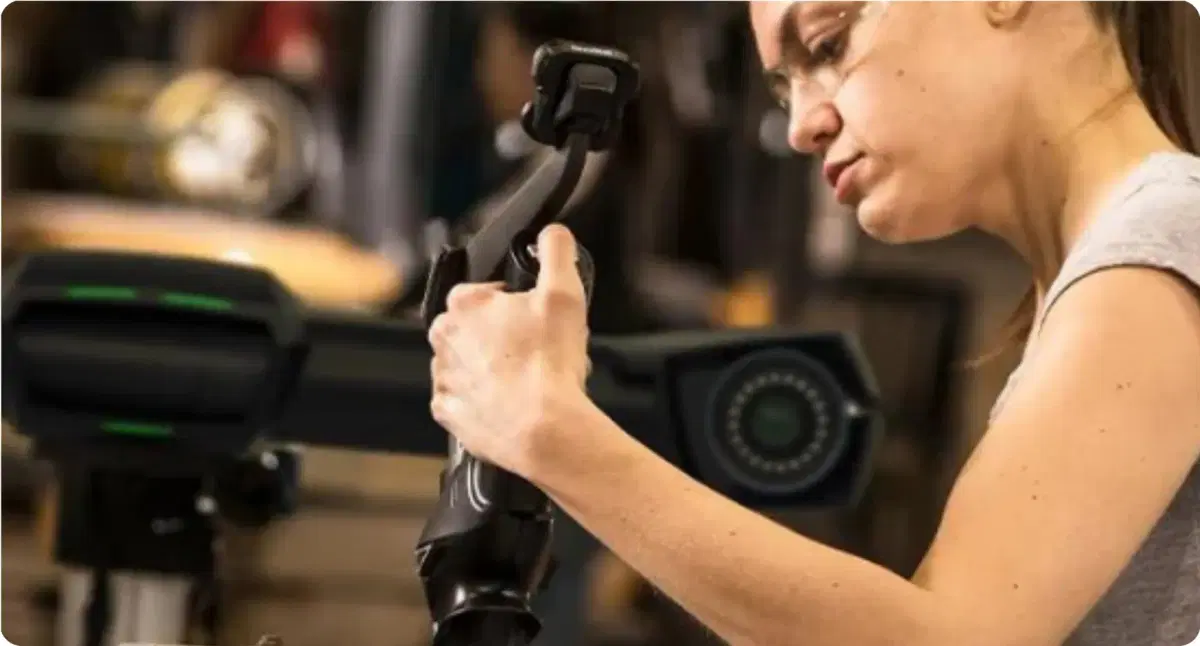
A portable metrology system delivers accurate and repeatable measurements for demanding industrial inspection workflows.
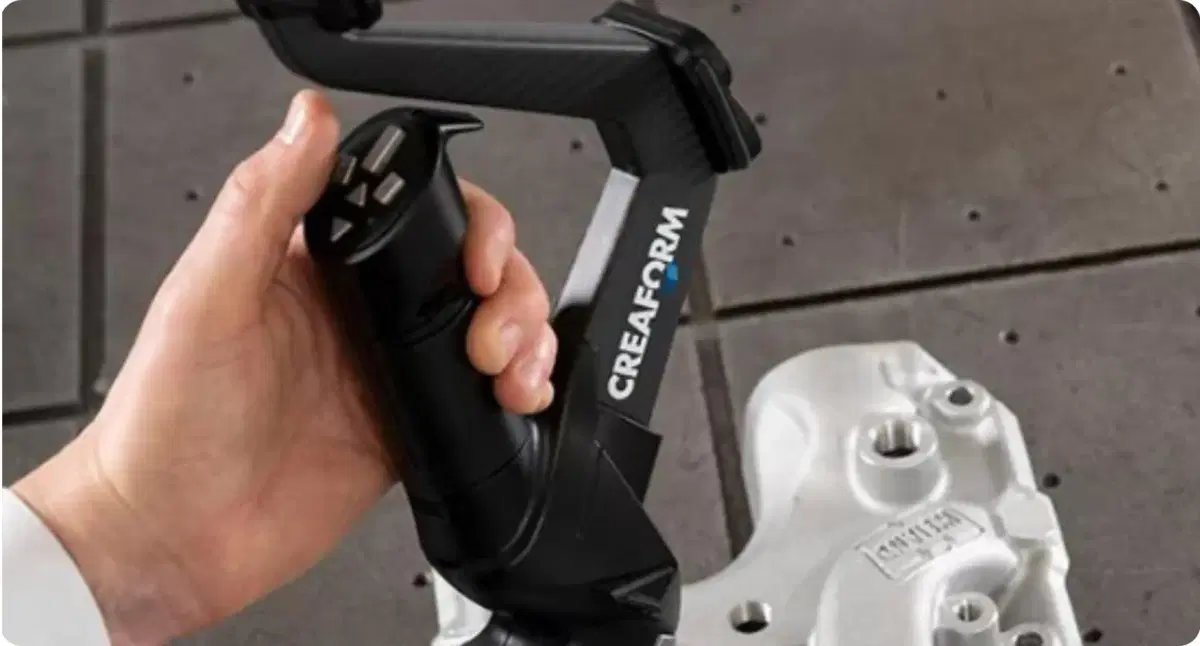
Perform dimensional inspection services directly on-site without moving large or complex assemblies.
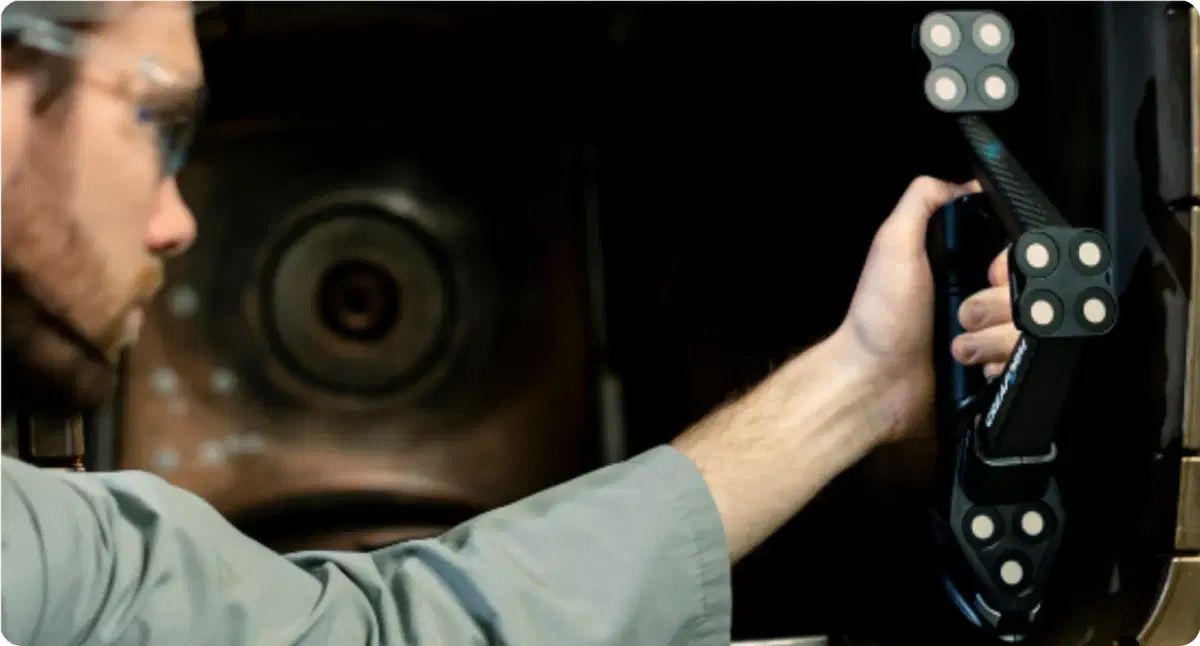
Enable flexible and efficient inspection with portable wireless probing systems.
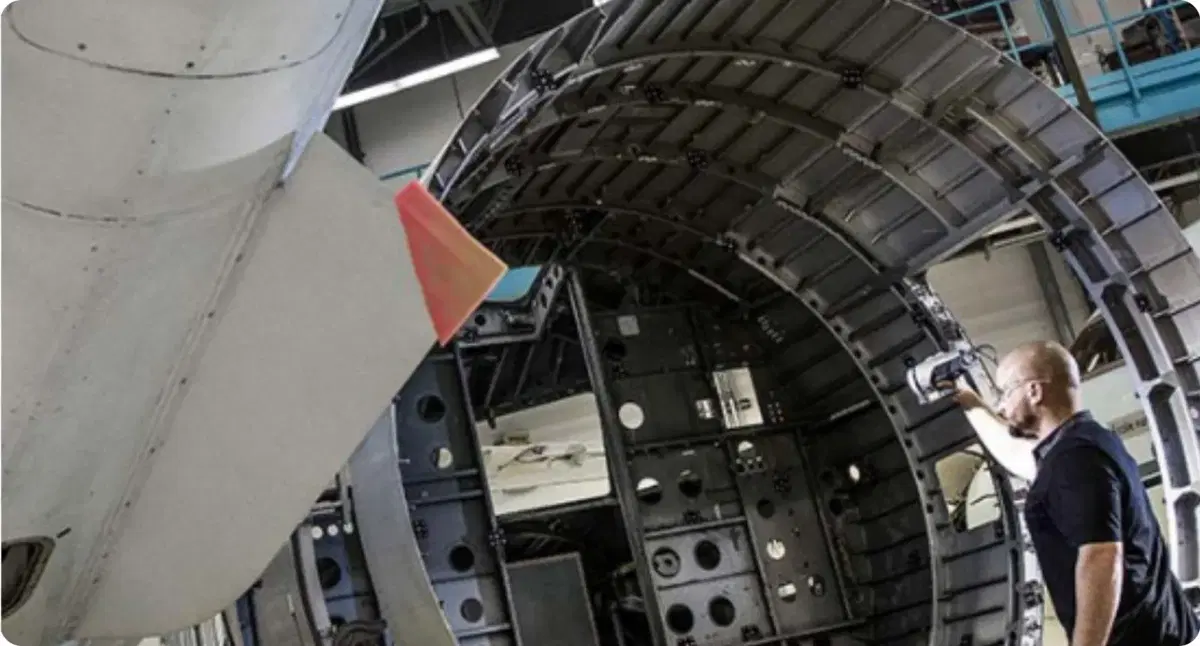
Designed to perform reliably in production facilities and demanding shop-floor conditions.
Portable CMM systems support precise dimensional inspection and alignment workflows across manufacturing, aerospace, automotive, and industrial environments.
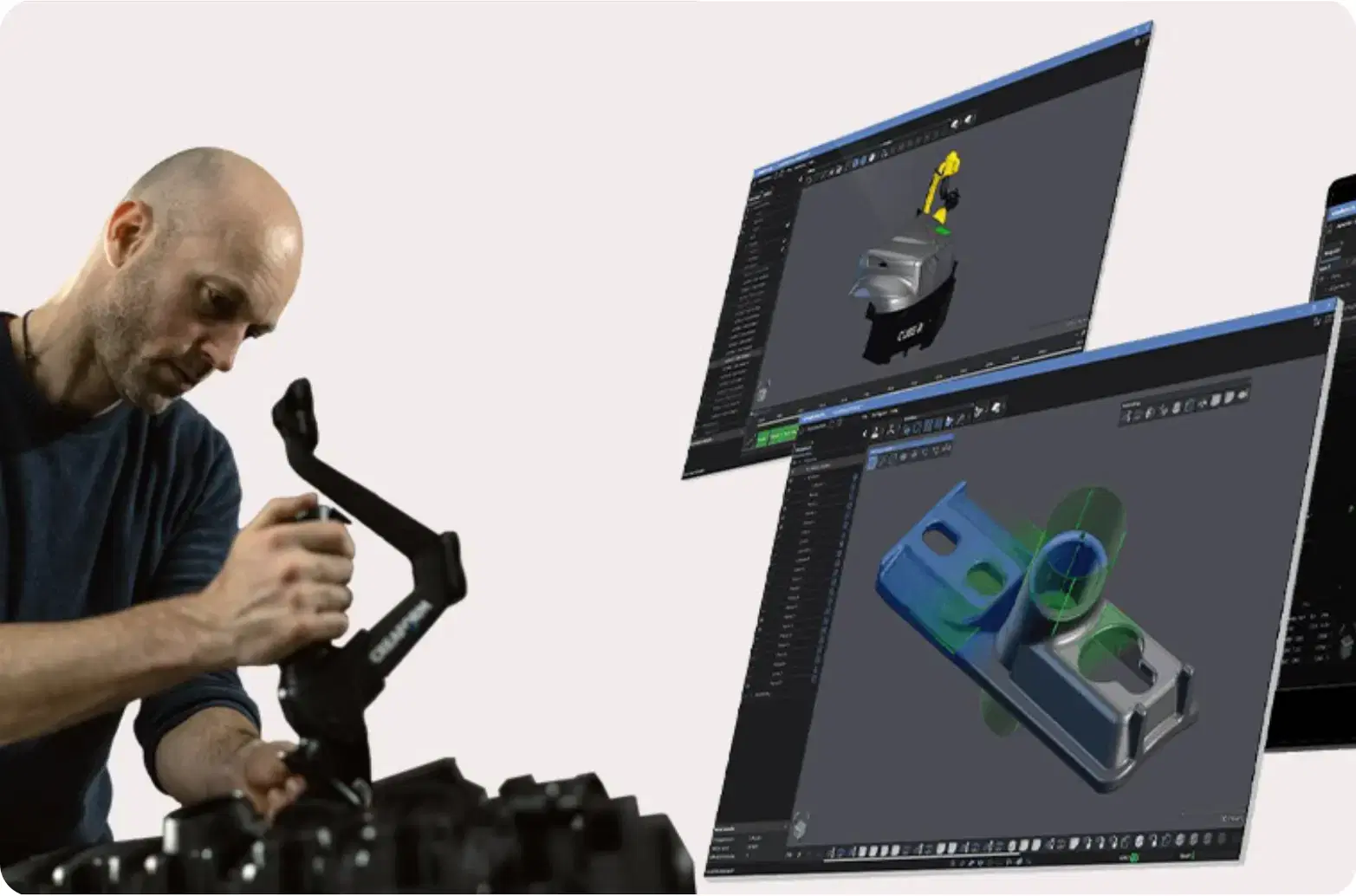
Product development refers to all of the stages involved in bringing a product to market—from inception through conception and engineering design to product development. Computer-aided design (CAD) software is used as a design tool to enhance product development.
As project managers, senior engineers, or engineering directors, you are responsible for finding ideas that lead to new product introduction. Innovation is the essential element that maintains your company’s competitive edge through the development of new technologies, new projects, new angles, and new niches that help you surpass your competitors.
As design engineers or industrial designers, you participate in all of the activities related to product development and implementation. You must first determine if the design intent is feasible and if all of the necessary tools and software to realize the whole project are accessible and available. Then, you design parts (often with complex shapes and geometries) and create 3D models while minimizing iterations in order to shorten the design cycle.
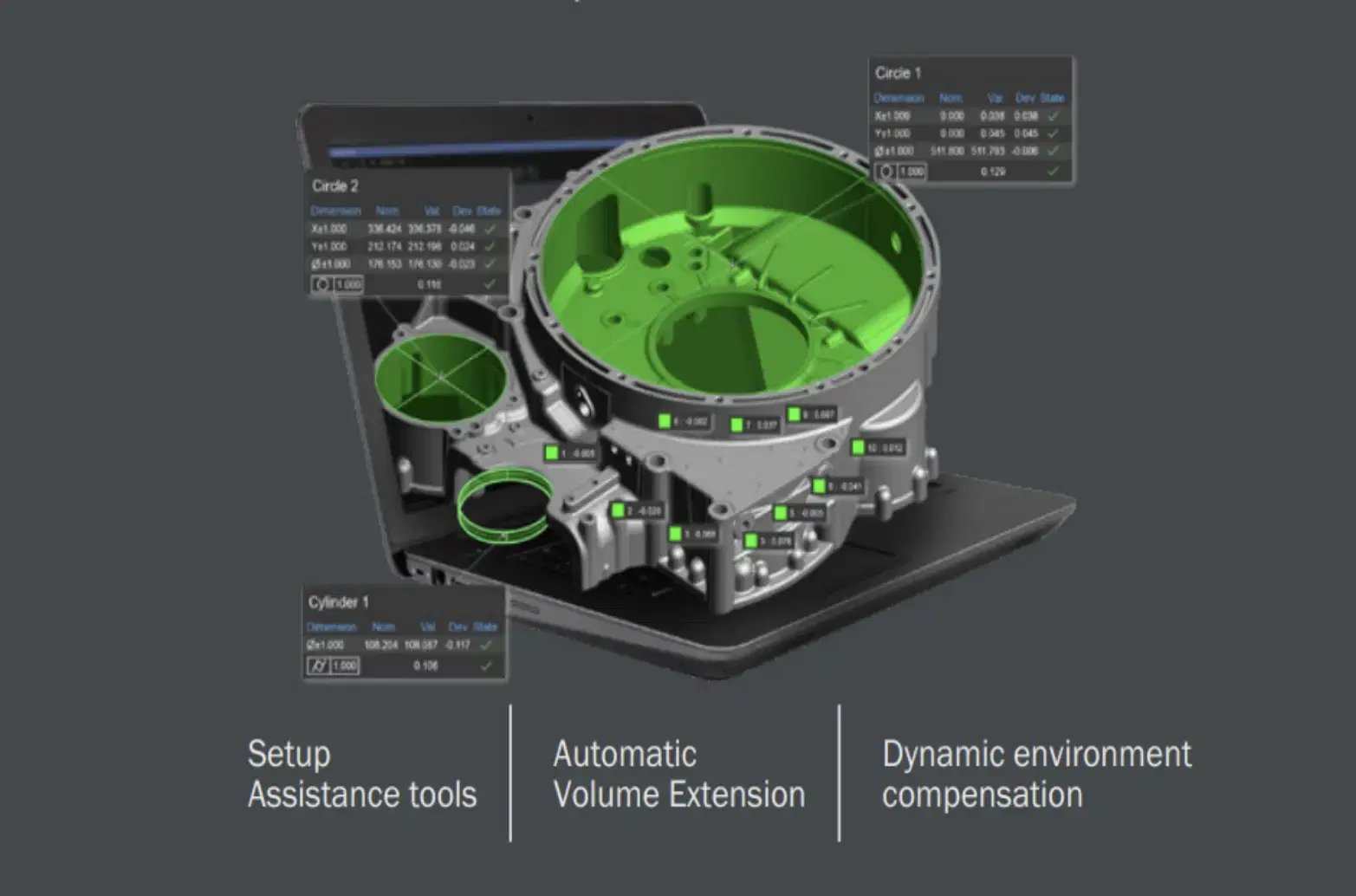

Our specialists can help you select the ideal portable metrology system based on your inspection requirements, measurement accuracy, and production environment.
A portable CMM is used to measure the dimensions, geometry, alignment, and position of industrial parts directly where they are manufactured or assembled.
Portable CMM systems are designed for precise and repeatable dimensional measurement. Actual accuracy depends on the measurement technology, equipment configuration, environment, and application.
Yes. Portable measurement systems can be used for large parts and assemblies where moving the component to a traditional inspection room may be difficult or inefficient.
Portable metrology is commonly used in manufacturing, automotive, aerospace, tooling, fabrication, and other industries requiring dimensional verification and quality control.
On-site inspection reduces the need to move large or complex components, helping manufacturers simplify measurement workflows, verify parts closer to production, and reduce unnecessary handling.