Learn when a 3D scan near me is worth it for product design, prototyping, scan-to-CAD, fit checks, and turning physical changes into useful digital data.
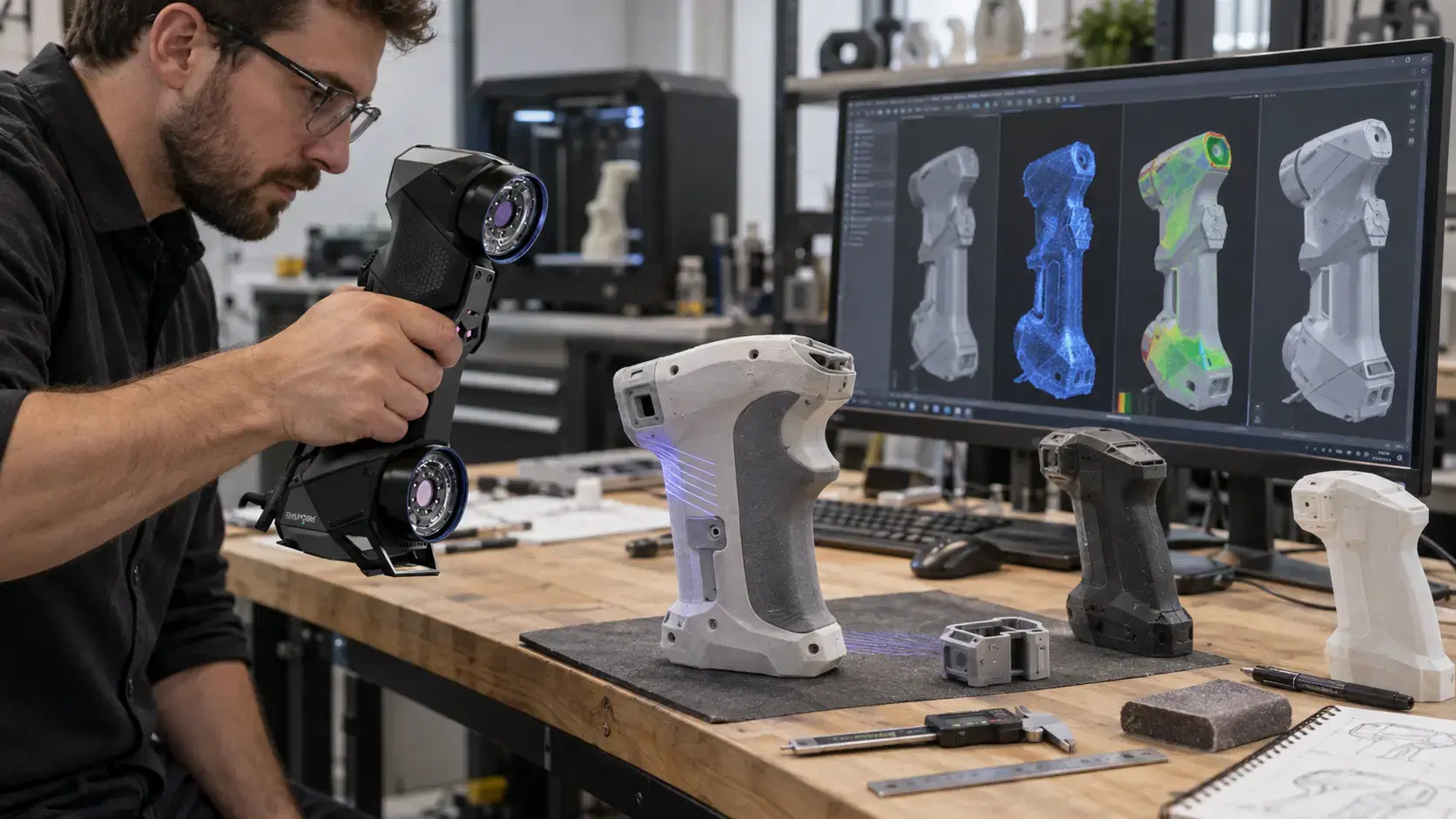
A prototype can look finished and still hide design problems.
A grip may feel slightly wrong. A cover may not match the mating part. A hand-shaped model may work well, but the CAD file may not reflect the final shape. When product teams reach this stage, they often search 3d scan near me to turn the physical object into useful digital data.
For product design and prototyping, 3D scanning can be worth it because it connects real parts, design changes, and engineering files much faster than manual measurement alone.
A 3D scan captures the surface of a physical object and converts it into digital geometry.
The scanner collects measurement data from many angles. Software then builds a mesh that represents the object’s shape. That mesh can be used for design review, reverse engineering, 3D printing, inspection, or scan-to-CAD modeling.
This is different from taking photos. A photo shows appearance. A scan measures shape.
That makes scanning useful when a prototype has curves, blended surfaces, ergonomic details, handmade changes, or features that are difficult to measure with calipers.
Product design often moves between digital and physical work.
A designer may start in CAD, print a prototype, sand it, test it, change it by hand, and then need that real-world version back in the digital model.
Without scanning, the team may spend hours measuring, sketching, and rebuilding the shape manually. That can be slow and inaccurate, especially for organic surfaces.
A scan gives the design team a measured reference. They can compare the physical prototype to the original CAD, identify what changed, and decide what should be carried into the next version.
Prototyping is all about learning quickly.
A 3D scan helps teams capture each iteration before it disappears. If version two fits better than version one, scanning can document the difference. If a hand-modified part solves a problem, scanning helps preserve that change.
This is valuable for housings, handles, brackets, covers, consumer products, molded parts, automotive components, tools, fixtures, and replacement parts.
The scan can also help prepare files for 3D printing, CNC machining, mold design, or engineering review. Instead of guessing from the physical sample, the team works from digital data.
Searching for a 3d scanner nearby makes sense when you need local support, fast turnaround, or help with a physical part that is hard to ship.
Local scanning can be useful when the part is fragile, expensive, heavy, confidential, or needed back quickly. This matters when deadlines are tight, because waiting for redesign data can delay testing, supplier conversations, and tooling decisions. A nearby provider can also review the part condition properly before scanning begins.
If your project needs CAD reconstruction, inspection, or engineering support, choose a provider that understands more than basic scanning. The scanner captures data, but the workflow determines whether that data becomes useful.
Not every provider delivers the same result.
Some 3D scanning companies near me may only create simple mesh files. Others may offer reverse engineering, scan-to-CAD, inspection reports, and manufacturing support.
Before booking, ask what file format you will receive. A visual mesh may be enough for presentation or 3D printing. A product design project may need STEP, IGES, or native CAD. An inspection project may need deviation reports and measurements.
Also ask about part size, accuracy, surface preparation, turnaround time, and experience with similar prototypes.
The cheapest scan is not always the best value if it does not support your next design step.
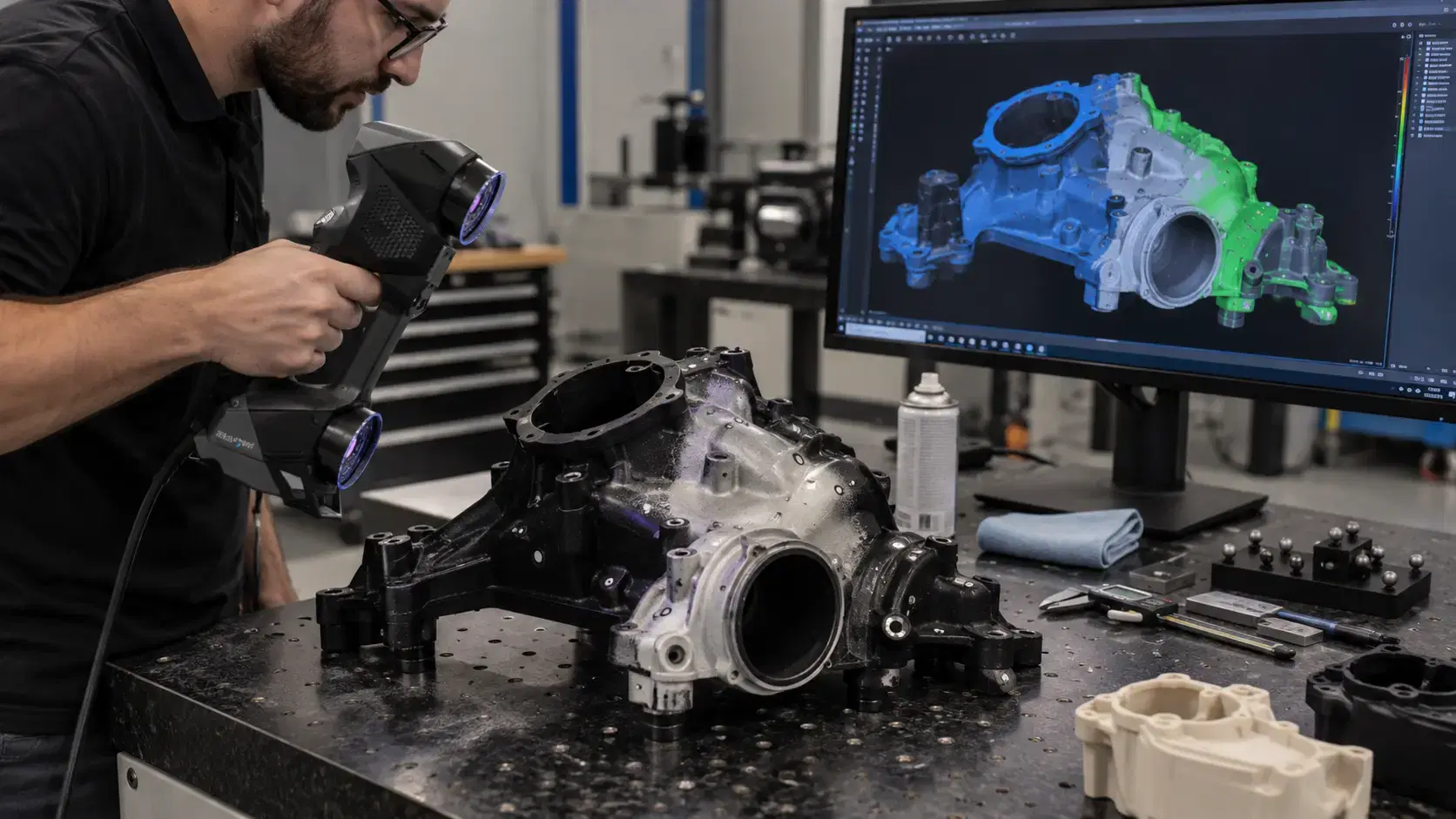
Scan quality depends on the scanner, operator, surface, setup, and software process.
Shiny, transparent, black, oily, or reflective parts can be harder to capture. Some objects need cleaning, targets, temporary spray, or special lighting.
Operator skill also matters. A good technician plans coverage, avoids missed areas, checks live feedback, and understands which surfaces matter for the final deliverable.
For product design, accuracy should match the decision. A rough concept model does not need the same detail as a part going into tooling or production.
Yes, when the prototype has complex shape, hand changes, missing CAD, or fit issues that need accurate digital reference.
Yes. The scan becomes a mesh first, then engineers use scan-to-CAD workflows to rebuild usable CAD geometry.
Local scanning can be better for fragile, confidential, large, or urgent parts. It also allows easier project discussion.
Bring the part, existing CAD, drawings, photos, tolerance notes, and a clear explanation of how the scan will be used.
A 3D scan is worth it when the physical prototype contains information your CAD file does not.
It helps product teams capture real geometry, compare design versions, preserve hand changes, and move faster from concept to usable digital data.
Dynamic 3D can help product designers and manufacturers choose 3D scanning, reverse engineering, inspection, and scan-to-CAD workflows that turn prototypes and physical parts into useful engineering data.
Expand your knowledge with additional resources designed to help engineers, manufacturers, and quality teams make more informed decisions.
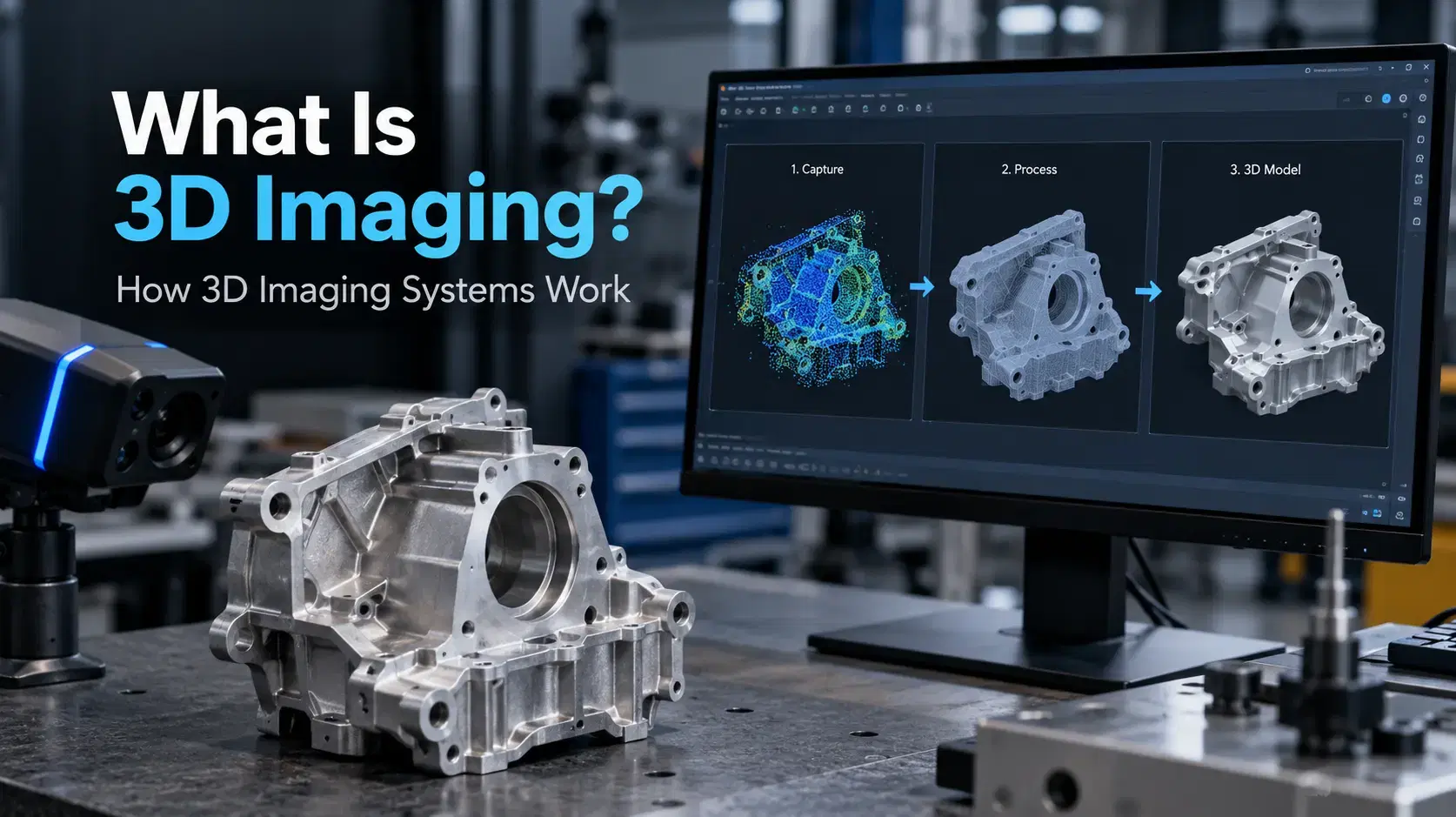

Learn what 3D imaging is, how 3D imaging systems capture depth, and how manufacturers use 3D data for inspection, reverse engineering, CAD, and digital models.

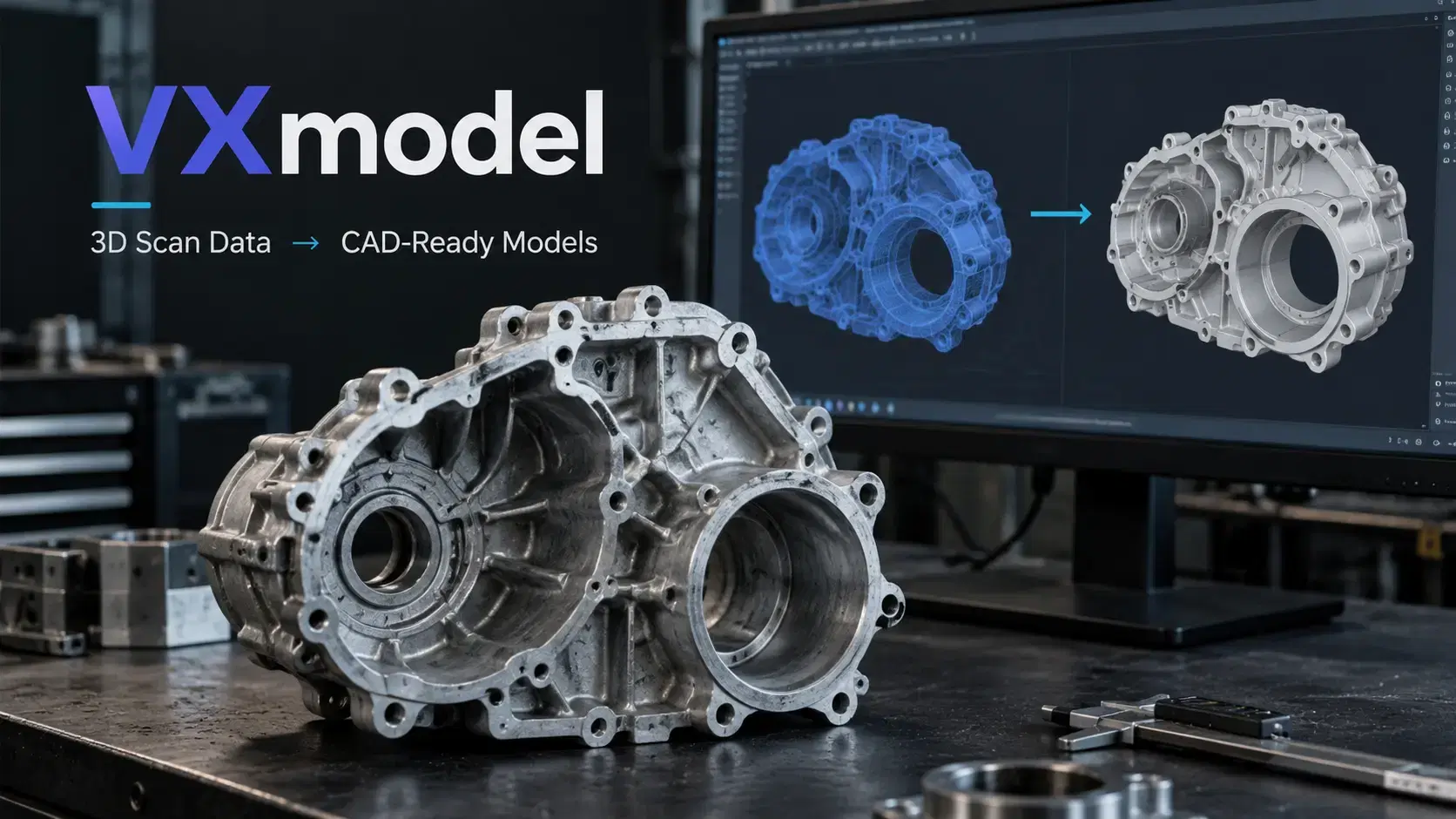
Learn how VXmodel software turns 3D scan data into CAD-ready models using mesh cleanup, alignment, feature extraction, scan-to-CAD workflows, and CAD transfer.
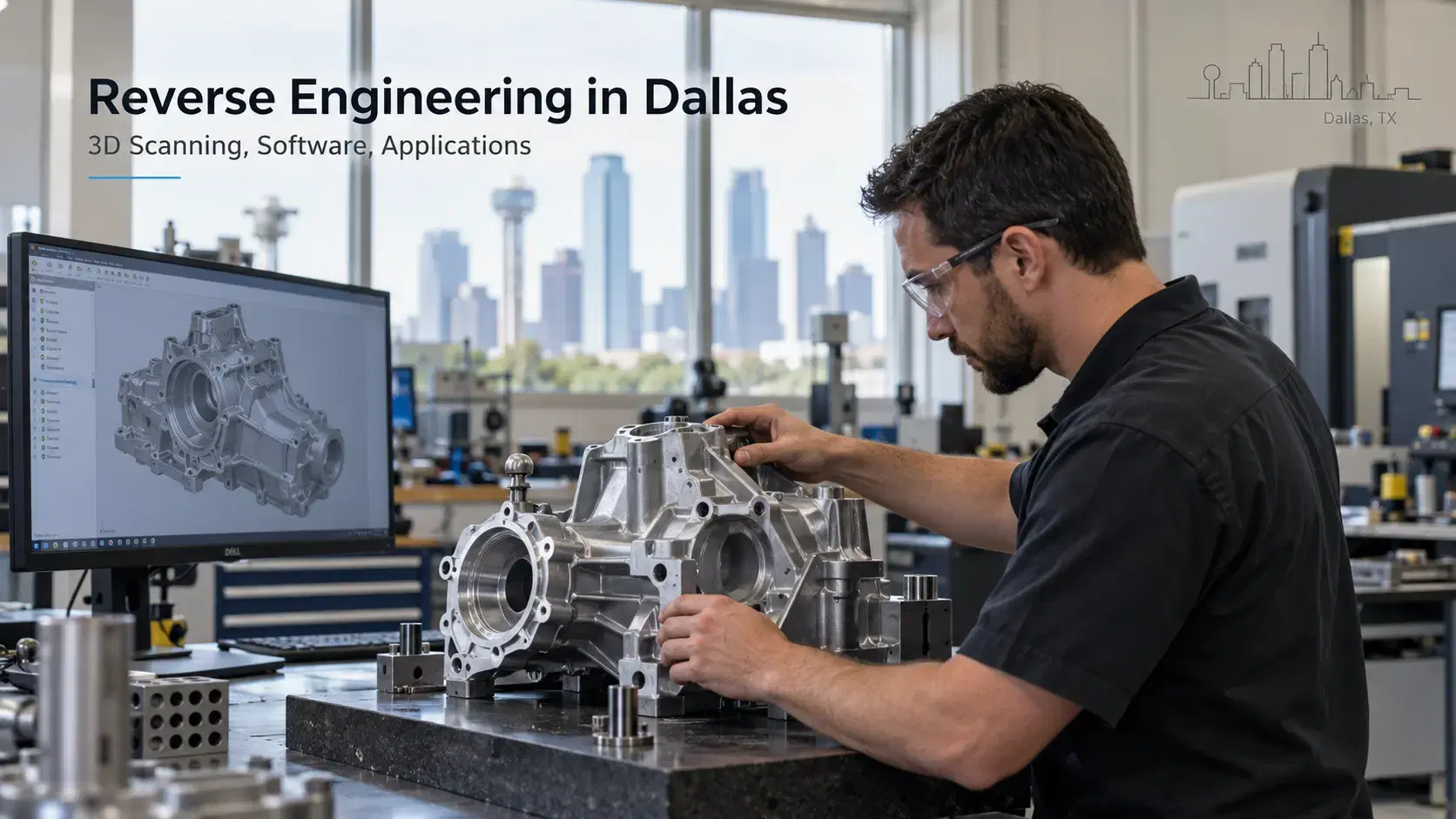
Learn how reverse engineering Dallas services use 3D scanning, reverse engineering software, scan-to-CAD, and inspection to create accurate digital models.

Whether you're evaluating 3D scanners, inspection software, reverse engineering workflows, or CAD modeling services, our engineering team can help identify the best solution for your application.


