Learn whether 3D scanners are illegal, what legal risks can arise, and how permission, privacy, IP, contracts, and responsible data use affect scanning projects.
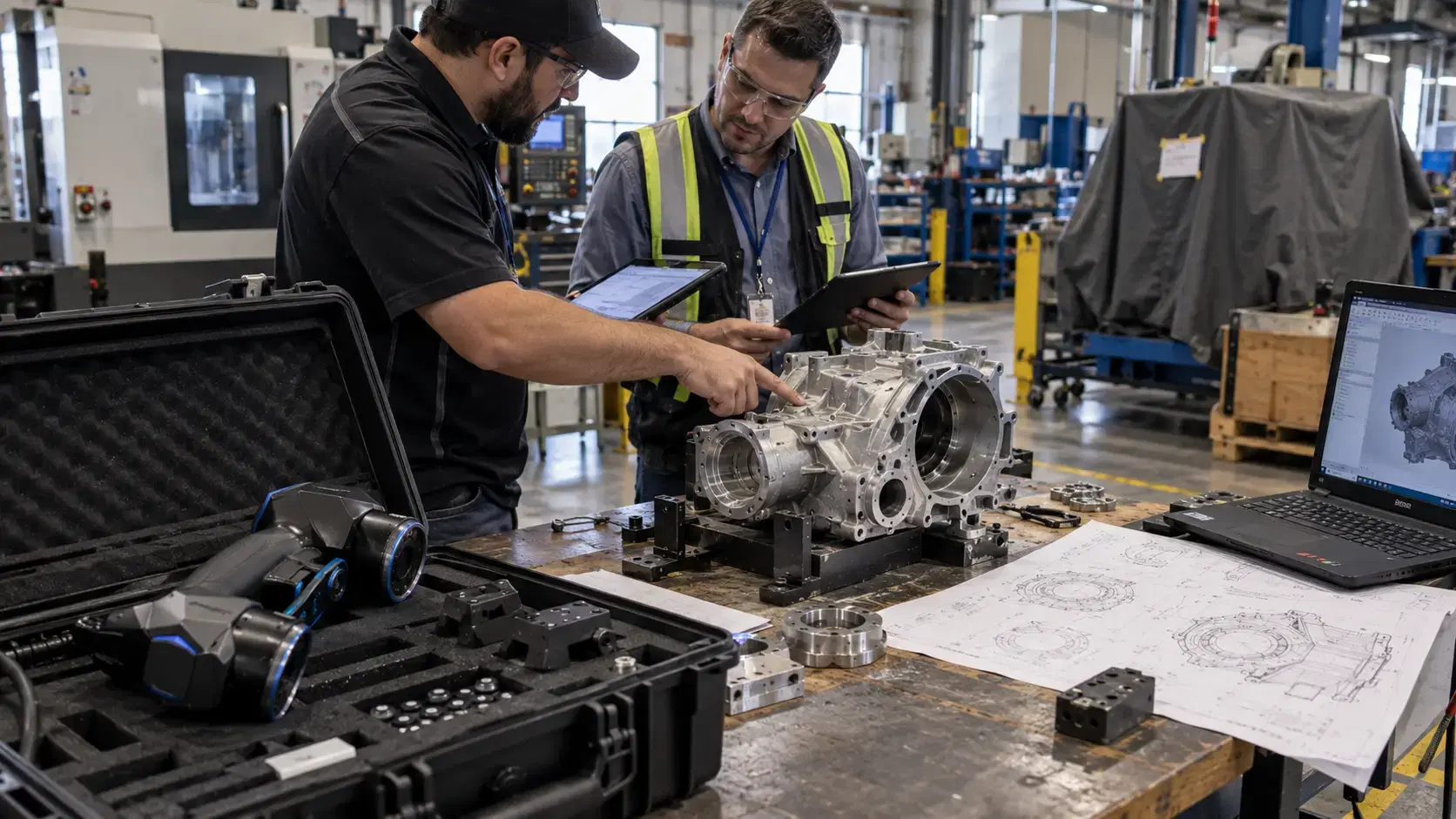
3D scanning is a normal tool in manufacturing, engineering, inspection, product design, architecture, repair, and documentation.
But people still ask are scanners illegal because scanning can involve physical objects, private property, branded products, sensitive equipment, or parts that someone else owns. The scanner itself is usually not the problem. The risk usually comes from what you scan, where you scan it, who owns it, and how the scan data will be used.
Before starting a project, teams should understand the difference between legal scanning, careless scanning, and scanning that could create intellectual property, privacy, safety, or contract issues.
In most normal industrial situations, 3D scanners are not illegal.
Manufacturers use them to inspect parts, recreate legacy components, document tools, measure prototypes, and compare physical objects to CAD files. Service providers use them for reverse engineering, quality control, dimensional inspection, and scan-to-CAD work.
The legal question begins when the scan involves someone else’s product, confidential design, restricted part, private site, or protected creative work.
A scanner is only a tool. Like a camera, measuring device, or computer, its use must respect ownership, permission, and applicable rules.
The safest starting point is permission.
If the part belongs to your company, your customer, or a supplier who approved the work, scanning is usually straightforward. If the part belongs to someone else, ask before capturing it.
Permission is especially important on private property, inside factories, at trade shows, in museums, around vehicles, near equipment, or when scanning prototypes.
Even if an object is visible, that does not always mean you can scan it, copy it, publish it, or use the data commercially.
Good projects start with clear approval.
3D scanning can raise intellectual property questions.
A product may include patented features, protected branding, copyrighted artistic elements, trade dress, or confidential engineering details. Scanning a part for internal measurement may be very different from scanning it to copy, sell, or distribute.
Reverse engineering is not automatically illegal, but it can become risky when contracts, patents, trademarks, trade secrets, or licensing terms are involved.
If the goal is to recreate a commercial product, clone a competitor part, or sell scan-based models, legal review may be needed.
For business work, keep records of who authorized the scan and what the final data may be used for.
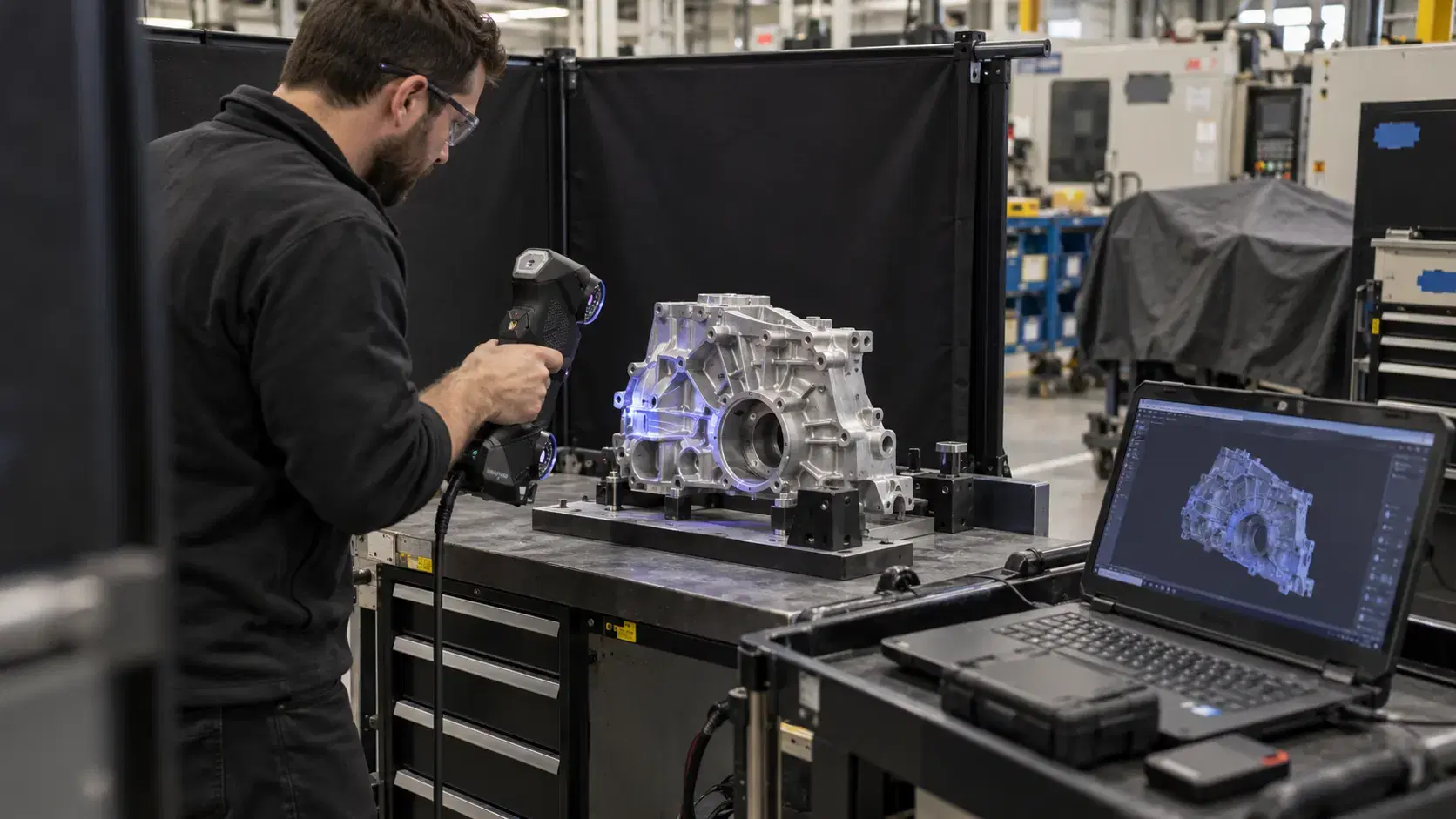
Scanning can capture more than the intended object.
A scan may accidentally include faces, badges, license plates, facility layouts, serial numbers, labels, proprietary tools, or private surroundings. This matters in factories, labs, offices, public events, customer sites, and vehicle projects.
Before scanning, look around the area. Remove sensitive items from the background. Limit the capture area. Store files carefully and share only what the project requires.
Professional scanning should protect the customer’s information, not expose it.
Some items require extra caution.
Weapons, firearm components, security devices, keys, locks, medical devices, aerospace parts, military items, and safety-critical components can involve legal, regulatory, or safety rules.
Scanning these objects may not be illegal by itself, but reproducing, modifying, selling, exporting, or distributing the data can create serious problems.
If a project involves controlled parts, do not guess. Check the rules, customer authorization, export restrictions, and industry requirements before proceeding.
Many scanning projects happen under contracts.
A customer may own the physical part, while the service provider creates scan data, CAD files, inspection reports, and images. The contract should explain who owns the files, who can access them, how long they are stored, and whether they can be reused in marketing or training.
This is important because scan data can reveal product geometry and manufacturing details.
A clear agreement protects both sides.
Before scanning, ask simple questions.
Who owns the object? Do we have permission? Is the item protected by IP, contract, or confidentiality? Will the scan be used for inspection, repair, reverse engineering, 3D printing, marketing, or resale? Are there sensitive details nearby? Who can receive the files?
If the answers are clear, the project is safer and easier to manage.
If the answers are uncertain, pause before scanning. That clarity also helps teams avoid rushed decisions when scan data could affect suppliers, customers, compliance, or future production documentation later as well.
Yes, in many normal business and engineering situations. The risk depends on permission, ownership, location, object type, and intended use.
You may be able to scan it for personal study, but copying, selling, or distributing the model can create legal issues.
Yes, when the customer authorizes the work and file use is clearly understood.
Yes. Industrial scan data can contain sensitive geometry, labels, and design details.
3D scanners are valuable tools, not illegal tools.
They help manufacturers inspect parts, rebuild missing CAD, document equipment, and improve product design. The key is responsible use.
Get permission, protect confidential details, respect intellectual property, avoid restricted items without proper review, and define file ownership before the work begins.
Dynamic 3D helps manufacturers use 3D scanning, reverse engineering, scan-to-CAD, and dimensional inspection workflows responsibly, with practical attention to part data, customer requirements, and real engineering goals.
Expand your knowledge with additional resources designed to help engineers, manufacturers, and quality teams make more informed decisions.
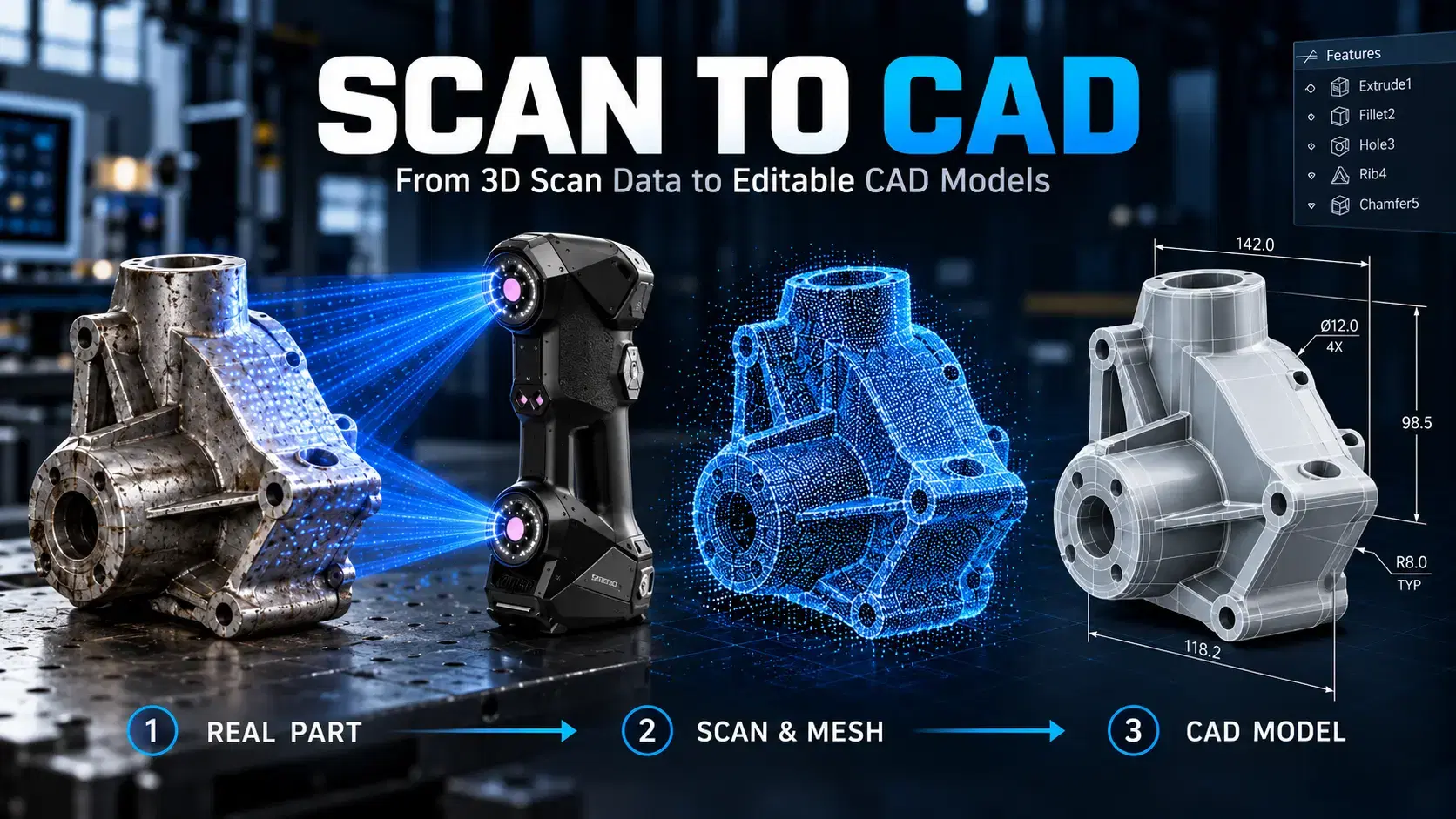

Learn how scan to CAD turns 3D scan data into editable CAD models using mesh cleanup, alignment, feature extraction, verification, and proper file export.

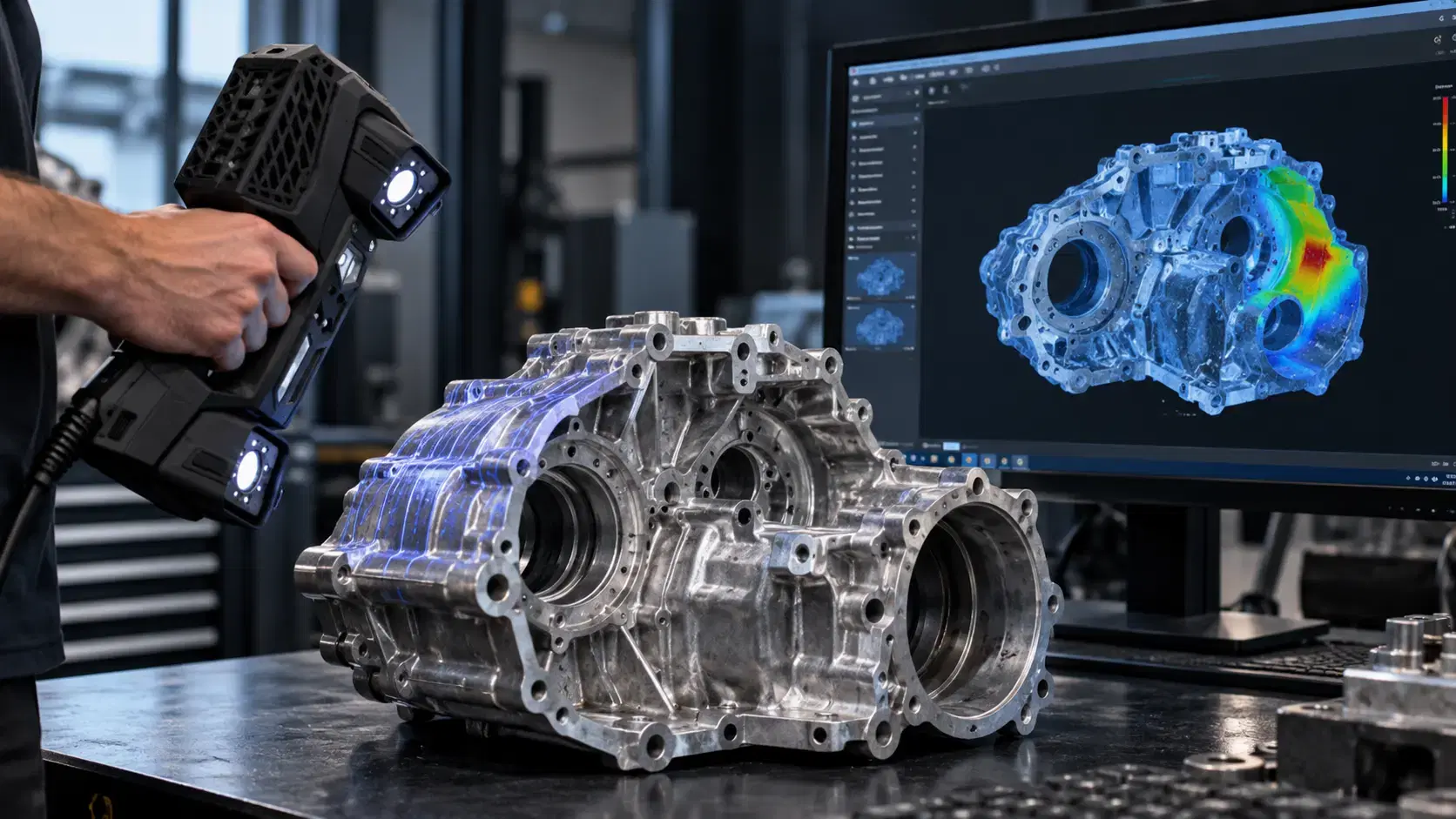
Learn how a three-dimensional scanner captures physical geometry, creates digital scan data, and supports inspection, reverse engineering, CAD, and manufacturing.
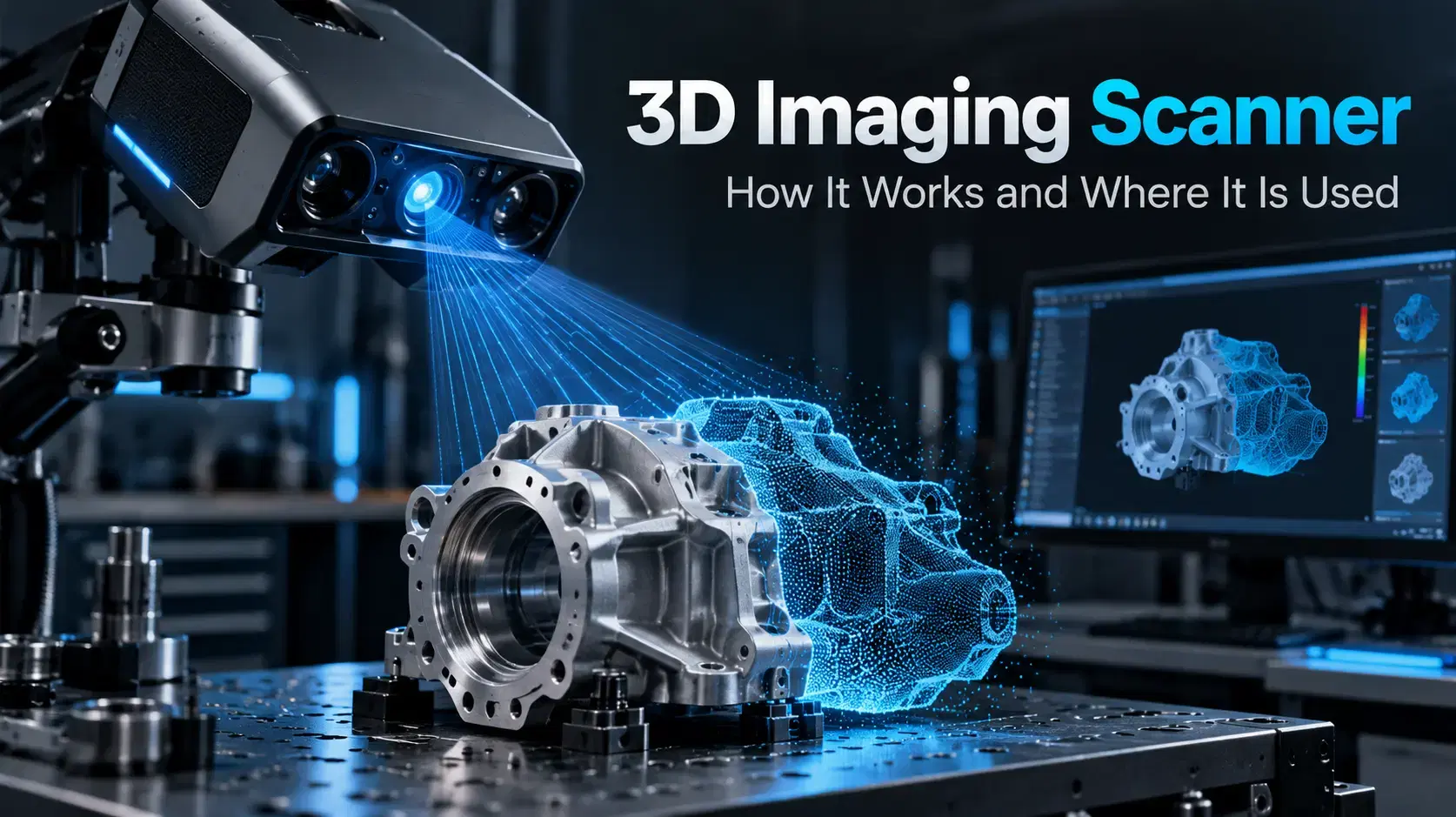
Learn how a 3D imaging scanner captures physical geometry, creates digital models, and supports inspection, reverse engineering, CAD, and industrial workflows.

Whether you're evaluating 3D scanners, inspection software, reverse engineering workflows, or CAD modeling services, our engineering team can help identify the best solution for your application.


