Learn how to choose scanning services near me based on scan type, deliverables, file formats, accuracy, experience, and whether you need 3D, document, or live scan.
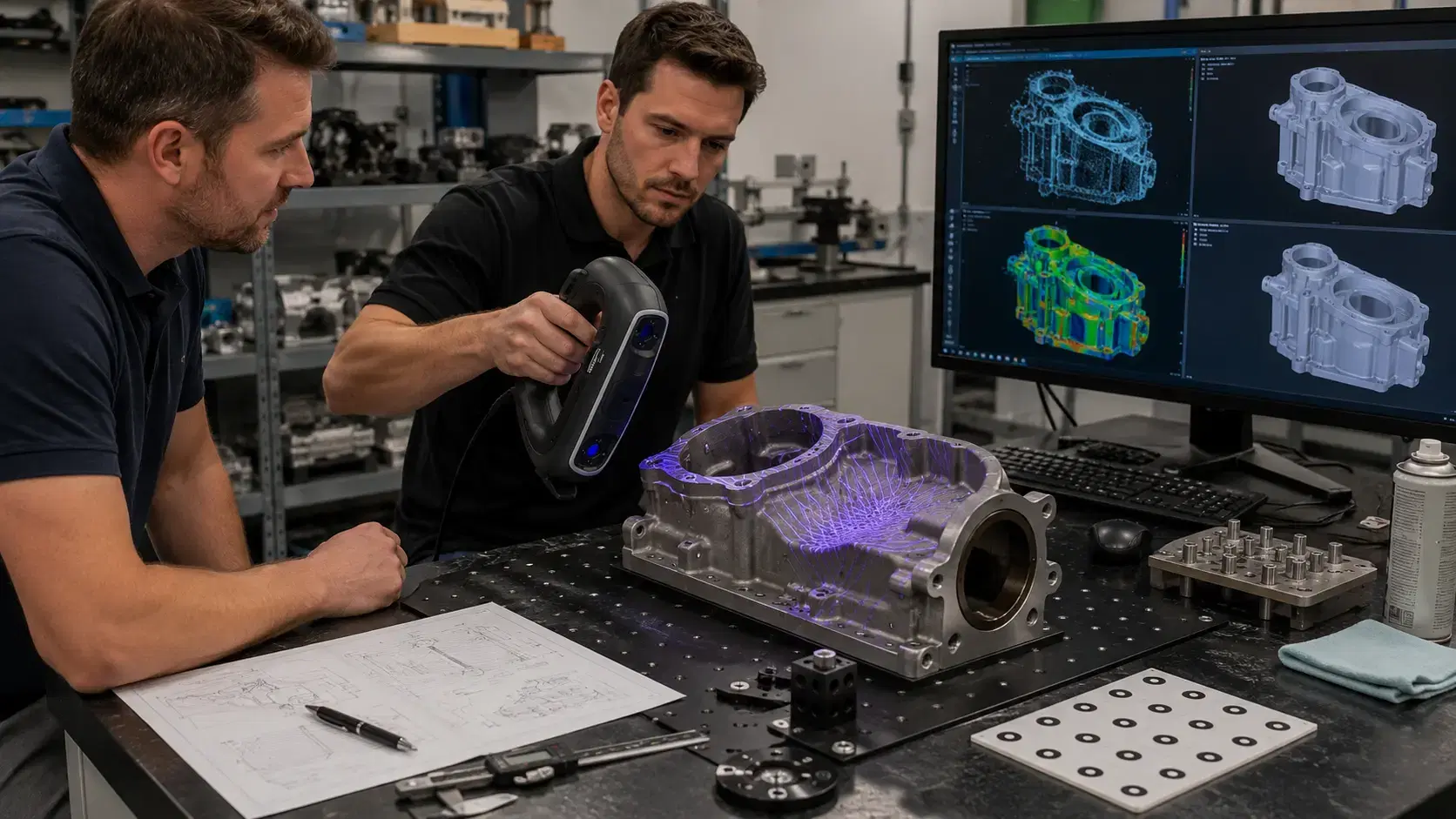
Searching scanning services near me can mean very different things depending on what you need scanned.
Some people need fingerprints for background checks. Others need documents converted to digital files. Manufacturers may need a physical part captured as 3D data for inspection, reverse engineering, or CAD modeling.
Before choosing a provider, be clear about the result you need. The right shop for live scan services near me may not be the right provider for scanning a machine part, prototype, tool, or legacy component.
The first question is simple: what are you trying to scan?
If you need a fingerprint scan, you are looking for live scan or biometric services. If you need paperwork scanned, you need document scanning. If you have a physical object, product, or industrial part, you need 3D scanning.
These services use different equipment, software, and workflows. A provider that handles fingerprints cannot usually create CAD files. A document scanning company cannot usually measure a casting or reverse engineer a bracket.
Good search results start with the right intent.
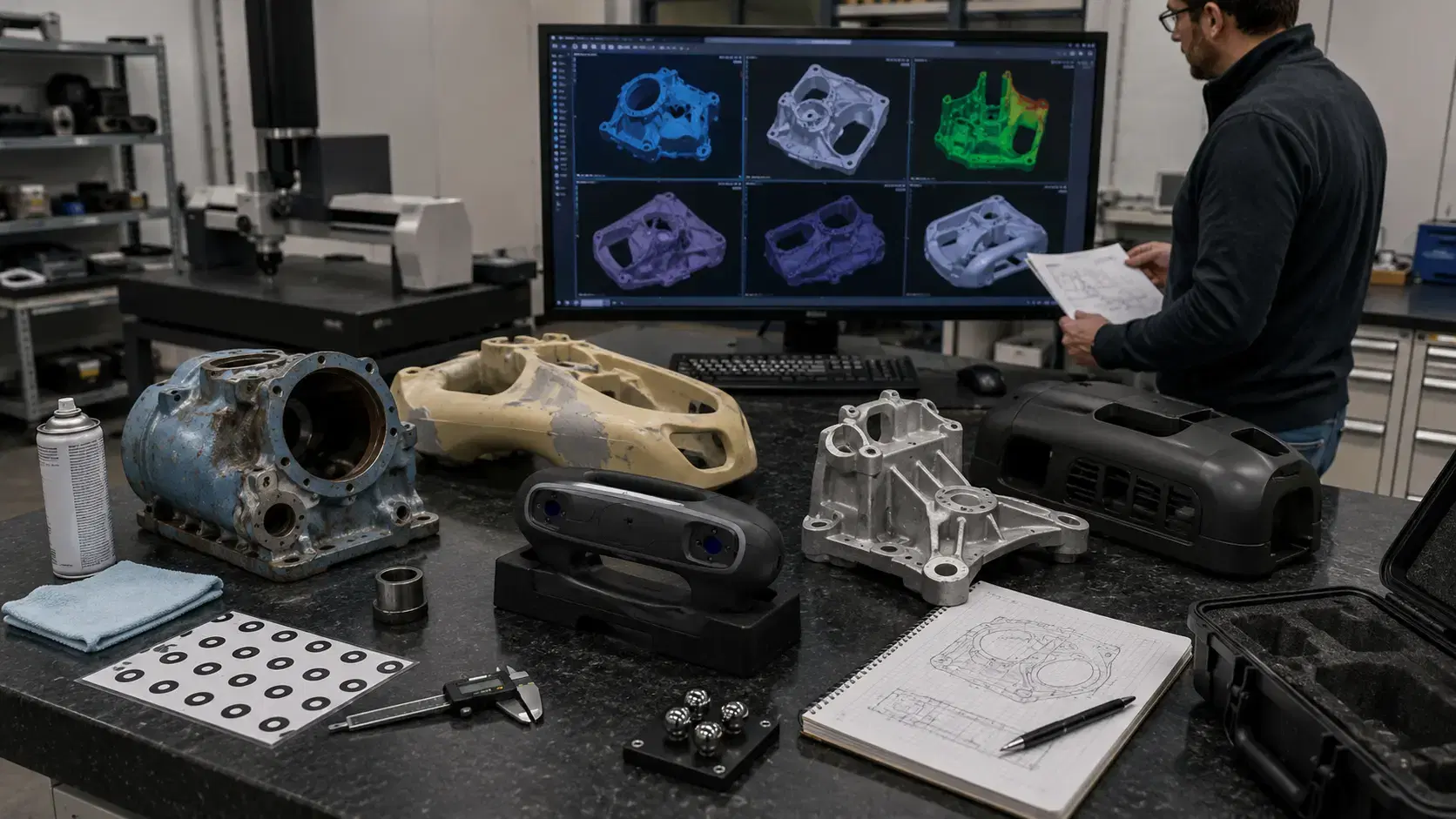
3D scanning services are useful when a real object needs to become digital geometry.
This may include a broken machine part, hand-built prototype, molded housing, casting, tool, fixture, product sample, or part with missing CAD.
A 3D scanner captures the shape of the object. The data can become a mesh, inspection report, STL file, STEP model, or scan-to-CAD reference, depending on the project.
This is helpful for manufacturers, designers, engineers, maintenance teams, and shops that need measured data instead of rough hand measurements.
One of the biggest mistakes is booking a scan without defining the deliverable.
A visual mesh is not the same as CAD. An STL file is not the same as a STEP file. An inspection report is not the same as a reverse engineering model.
Before choosing a provider, ask what file format they will deliver. Common outputs include STL, OBJ, PLY, STEP, IGES, native CAD, color maps, deviation reports, or measurement summaries.
The best provider should ask what you plan to do with the file before quoting the job.
Not every scanning project is easy.
Shiny, black, transparent, oily, worn, flexible, or very small parts may need special handling. Large objects may require a scanner with the right measurement volume. Tight tolerance jobs may need controlled setup, targets, probing, or inspection software.
Ask whether the provider has scanned similar parts before.
If you are bringing an industrial component, ask about manufacturing experience. If you need a part for 3D printing, ask about mesh cleanup. If you need CNC or fabrication data, ask about reverse engineering and scan-to-CAD work.
Scanning prices vary because projects vary.
A simple scan for visualization may cost less than a reverse engineering project. A small object may be easier than a large assembly. A clean matte part may scan faster than reflective chrome or clear plastic.
When comparing scanning services near me, ask what is included in the quote. Does it include part preparation, scanning time, data cleanup, CAD modeling, inspection reporting, revisions, or multiple file formats?
A cheap scan can become expensive if it does not produce the file you actually need.
If you are asking where can i get something scanned, start by identifying the object and purpose.
For fingerprints, search for authorized live scan providers. For paperwork, search for document scanning or print shops. For physical objects, search for 3D scanning services, reverse engineering services, or metrology scanning providers.
For industrial parts, choose a provider that understands tolerances, geometry, CAD, inspection, and manufacturing workflows.
This helps avoid sending a complex part to a shop that can only create a basic visual model. Location still matters, but workflow matters more. A nearby provider may be convenient, yet the wrong deliverable can slow the project. For business parts, ask how the data will be checked, how accuracy is reported, and whether the team can explain limits before work begins. That conversation can prevent costly confusion after the scan is complete later.
No. Live scan usually means fingerprint scanning. 3D scanning captures the shape of physical objects for digital modeling, inspection, or reverse engineering.
Yes, if the provider offers scan-to-CAD or reverse engineering. A scan becomes a mesh first, then engineers rebuild usable CAD.
Bring the physical part, any drawings, CAD files, tolerance notes, photos, and a clear explanation of how the scan will be used.
Choose a provider based on equipment, experience, deliverables, file formats, accuracy needs, and knowledge of your industry.
The right scanning provider is not always the closest one.
Choose based on what you need scanned, what file you need, and how accurate the final data must be.
Dynamic 3D can help manufacturers, engineers, and product teams choose 3D scanning, reverse engineering, inspection, and scan-to-CAD services that turn real parts into useful digital data for design, repair, quality control, and production.
Expand your knowledge with additional resources designed to help engineers, manufacturers, and quality teams make more informed decisions.
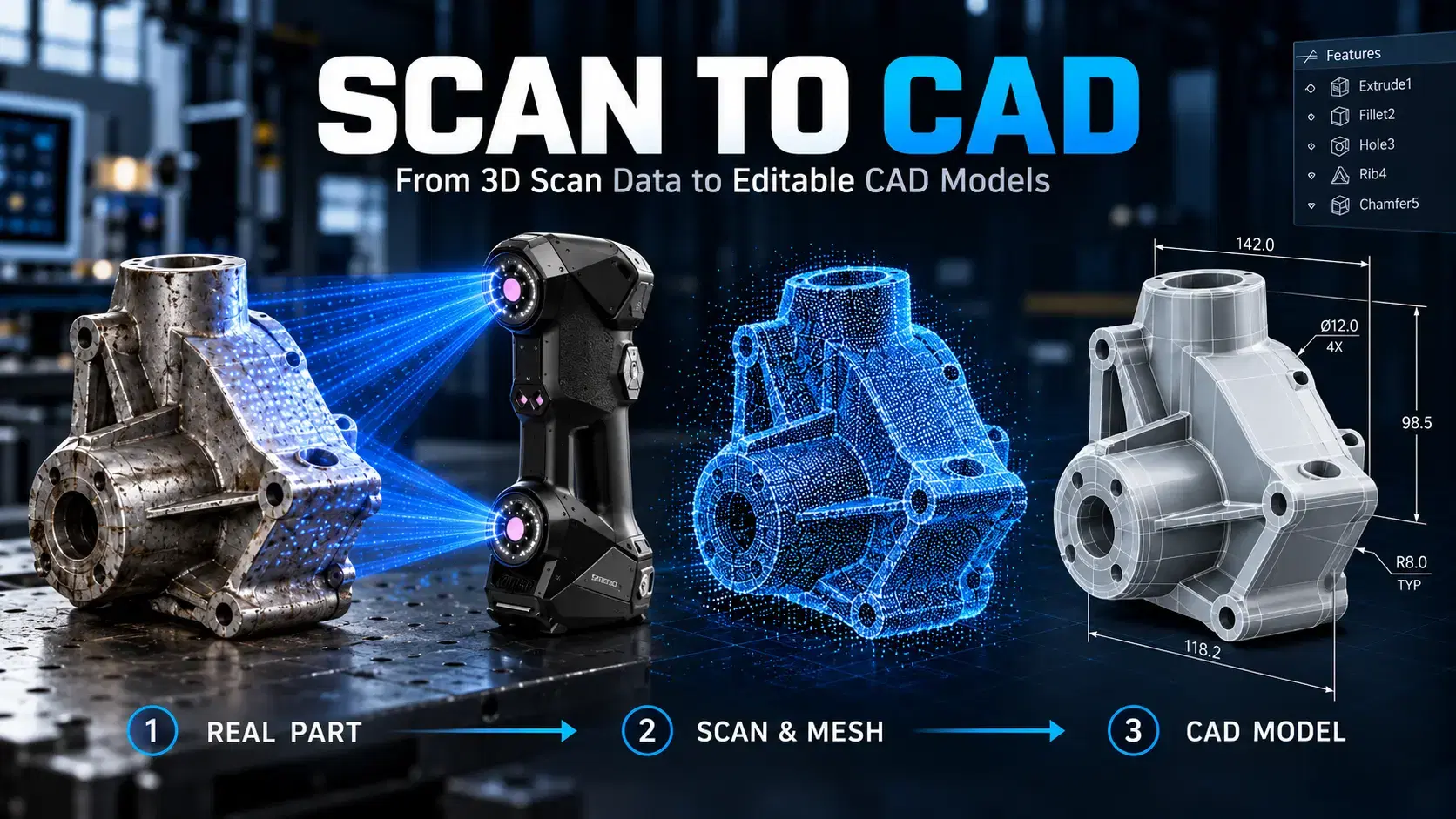

Learn how scan to CAD turns 3D scan data into editable CAD models using mesh cleanup, alignment, feature extraction, verification, and proper file export.

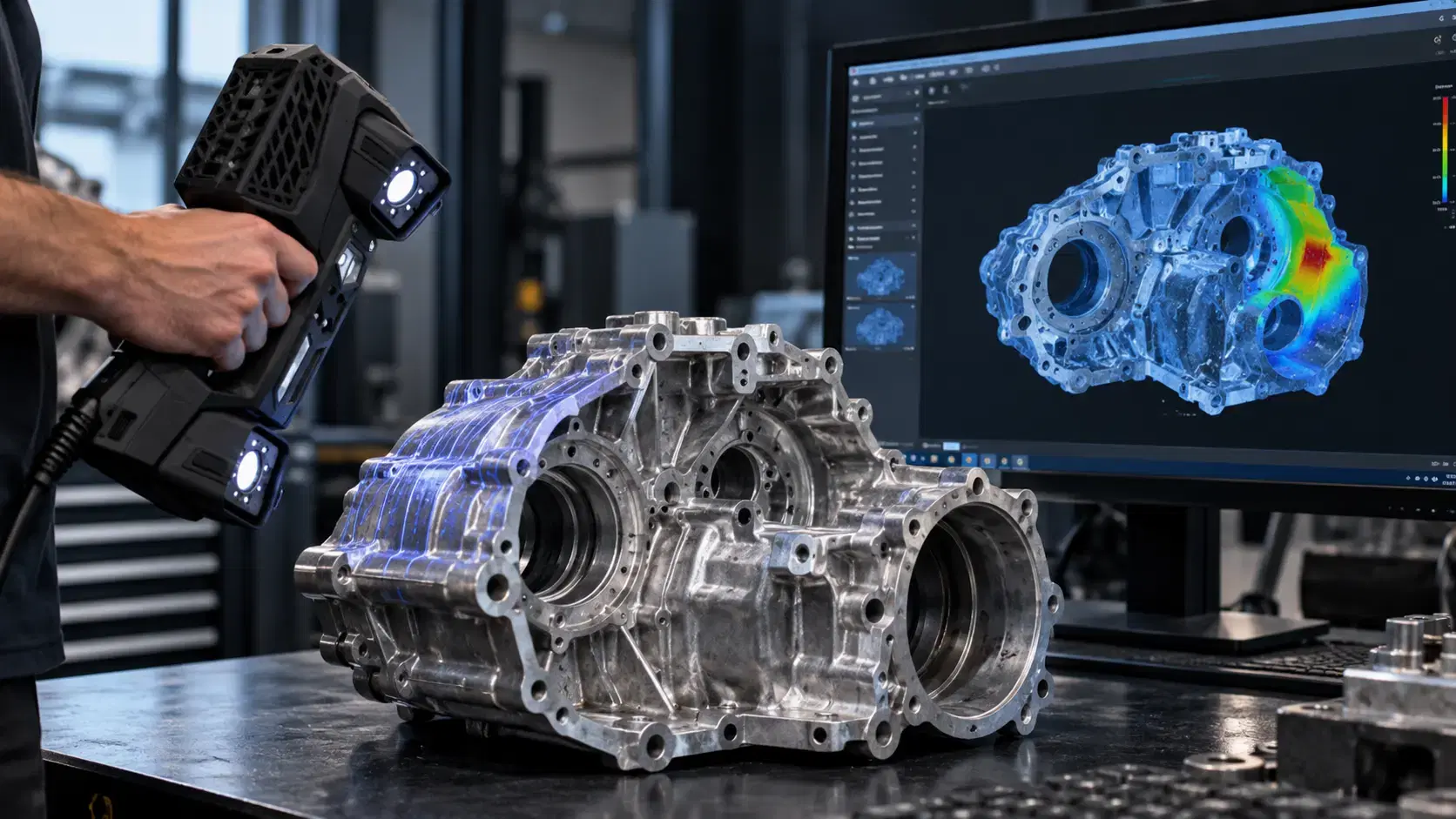
Learn how a three-dimensional scanner captures physical geometry, creates digital scan data, and supports inspection, reverse engineering, CAD, and manufacturing.
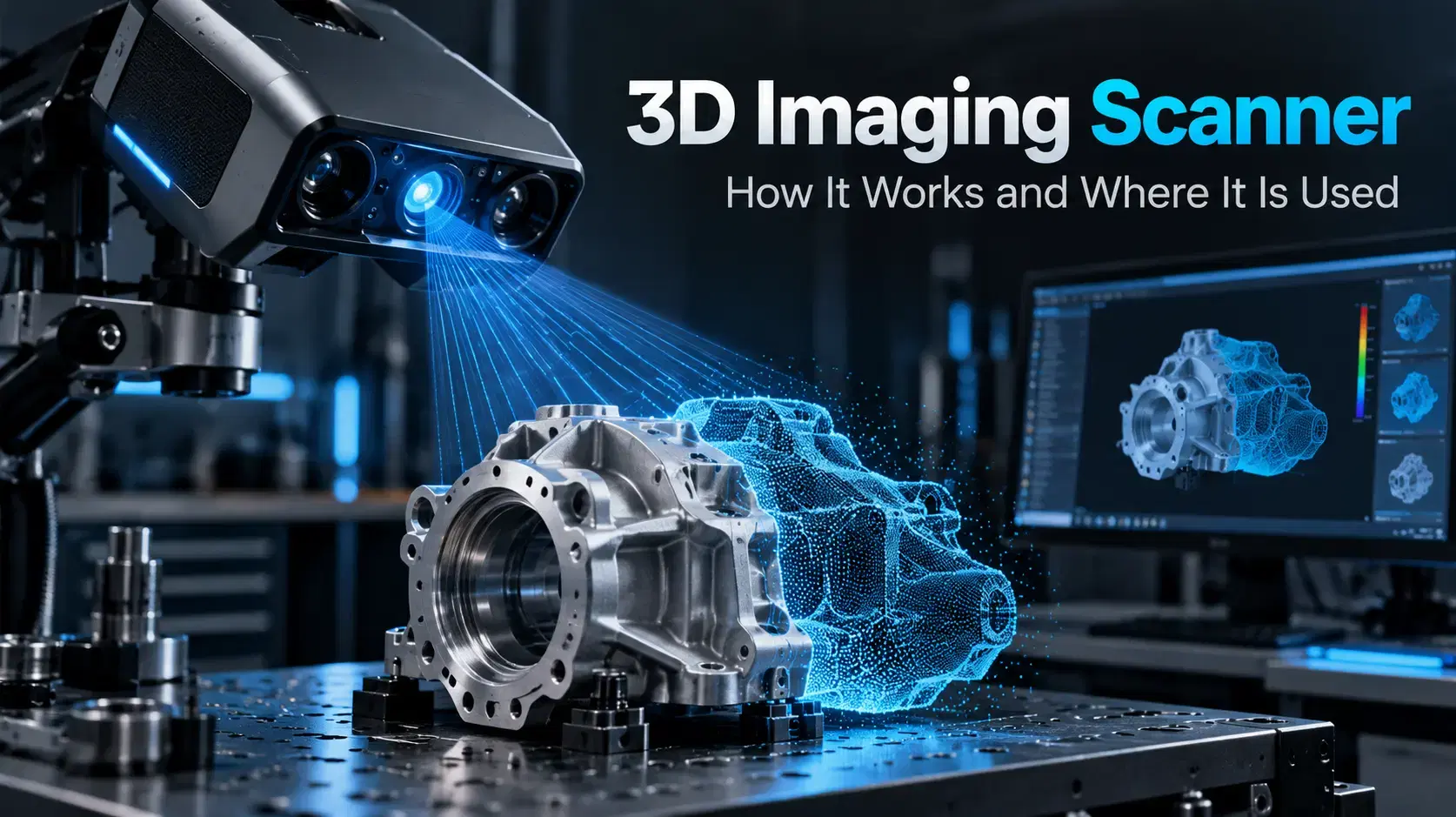
Learn how a 3D imaging scanner captures physical geometry, creates digital models, and supports inspection, reverse engineering, CAD, and industrial workflows.

Whether you're evaluating 3D scanners, inspection software, reverse engineering workflows, or CAD modeling services, our engineering team can help identify the best solution for your application.


